



The final credits of a beloved game can sometimes feel less like the end of entertainment and more like a real farewell. Why does the world around you feel empty after a major RPG? Why do new stories suddenly seem bland? And why do your thoughts keep returning to the characters and the choices you made? Let’s explore where post-game sadness comes from, why RPG fans are especially prone to it, and how to get through it without endlessly replaying the same game.
Who really earns money from game localization? We estimated the revenue of 47 companies and sized the game text localization market at $246 million. See who leads, where Allcorrect stands, and why experience doesn't always mean revenue.
Discover the top 30 mobile game markets in 2025. Explore revenue rankings, growth trends, ARPU, and Allcorrect’s Market Opportunity Index across 29 key regions!

The game text localization market reached an estimated USD 246 million in 2025, but unlike the broader game outsourcing industry, text localization revenue is contracting. AI-driven price erosion is reducing cost per word faster than content volume can grow. This report ranks 47 companies by estimated 2025 game text localization revenue, explains the methodology behind the estimates, and explores why market concentration, MLV models, and service-mix differences create a significant gap between localization experience and commercial scale.
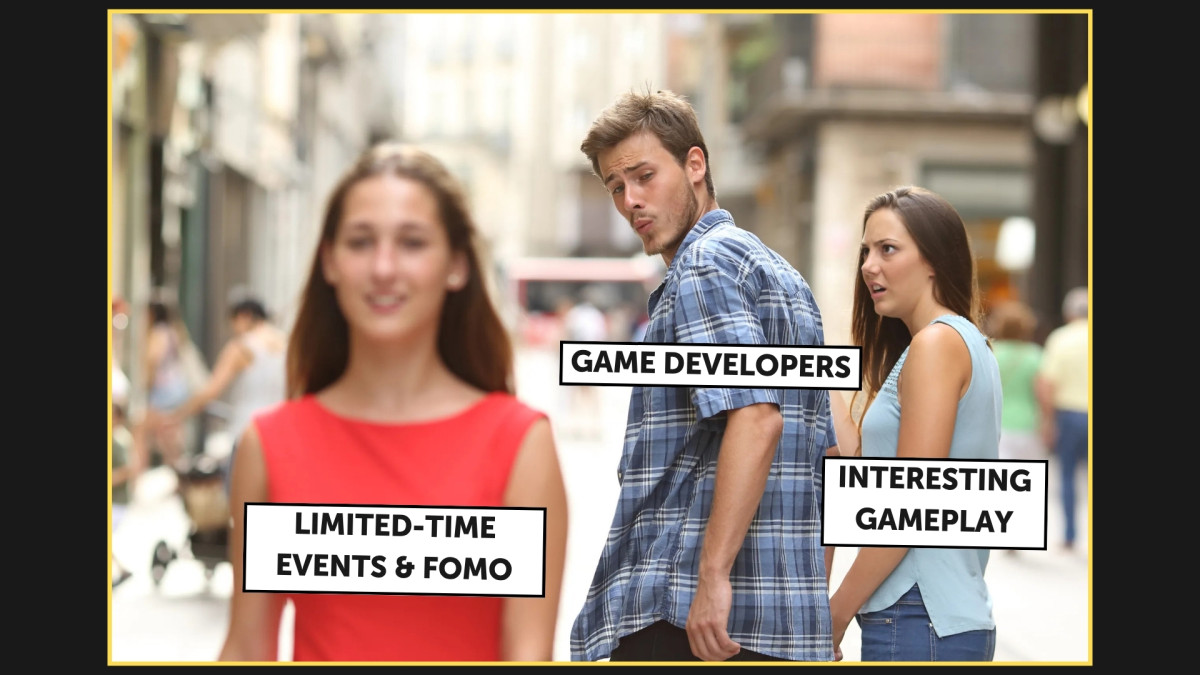
From arcade high-score tables to seasonal battle passes, keeping players coming back has quietly become a science. This piece traces the evolution of retention mechanics across five decades, unpacks why battle passes, limited-time shops, and live-service seasons are so often called manipulative, and asks where the line between good design and pure pressure actually sits.

58 million gamers in a country of 72 million. Thailand isn’t just Southeast Asia’s second-largest gaming market—it’s one of the most deeply engaged gaming markets in the world. Mobile accounts for 71% of all revenue, free-to-play dominates at 86%, and community-driven discovery means Western marketing strategies often fall flat without adaptation. We break down exactly who plays, what they spend, and what it takes to win here.
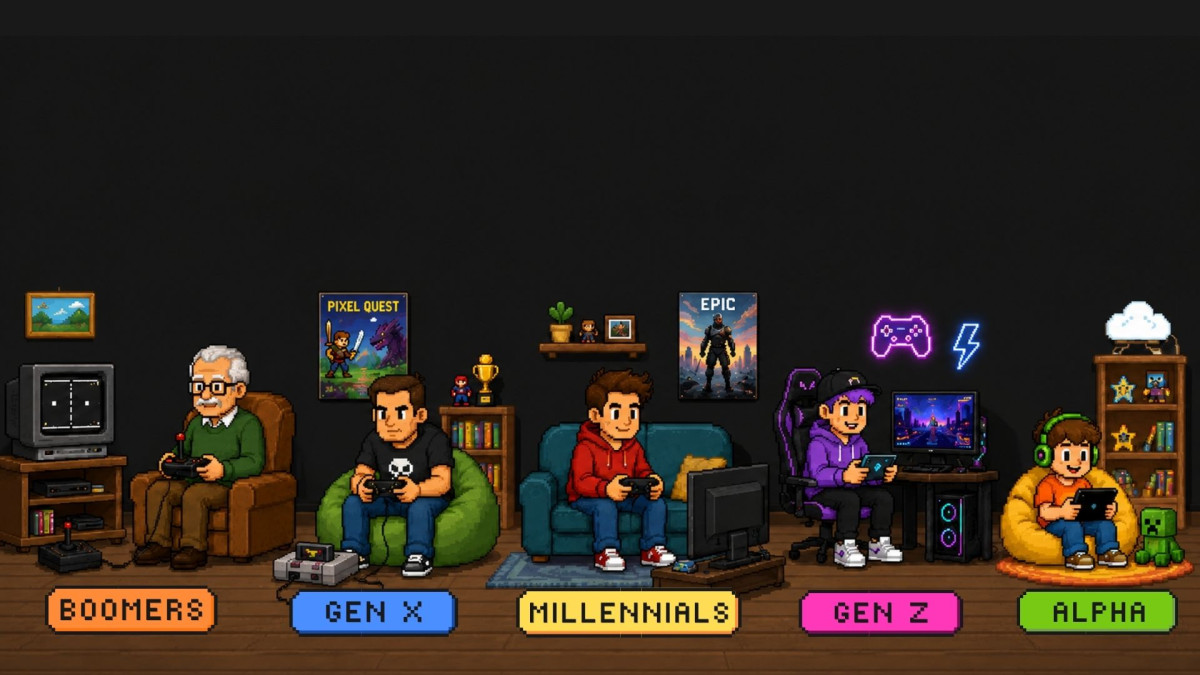
In this article, we break down which platforms, genres, and gaming habits define different age groups, how they spend money in games, and why these distinctions matter when it comes to game development and localization.
Read on to understand how Boomers, Gen X, Millennials, Gen Z, and Gen Alpha are shaping the gaming market—and what that means for developers and publishers.
The global gaming market in 2025 continued to grow, but the picture behind the numbers is far from simple. While overall revenue increased, the dynamics across regions, platforms, and genres vary significantly. This gaming market analysis focuses on the key trends shaping the industry and what they mean for developers and publishers.
In the near future the gaming market will exceed USD 360 billion, and quality localization is key to global success. We’ve compiled the top 10 companies based on revenue, portfolio (MobyGames/ProZ), and reputation to help you navigate the market more easily.

We’ve been researching the Polish gaming market—and the picture is more complicated than you’d expect.
The numbers look great—a $1B market, 97% exported globally. But 120 studios also disappeared in the same two years. The Polish gaming scene is growing—just not for everyone.
We broke it all down in our new market overview—player stats, top studios, business models, and what the future of the Polish gaming market actually looks like.