

Not every game needs the same localization approach. Here’s how Allcorrect helps studios choose between human craftsmanship and run.loc’s speed and scale—and when a hybrid of both works best.
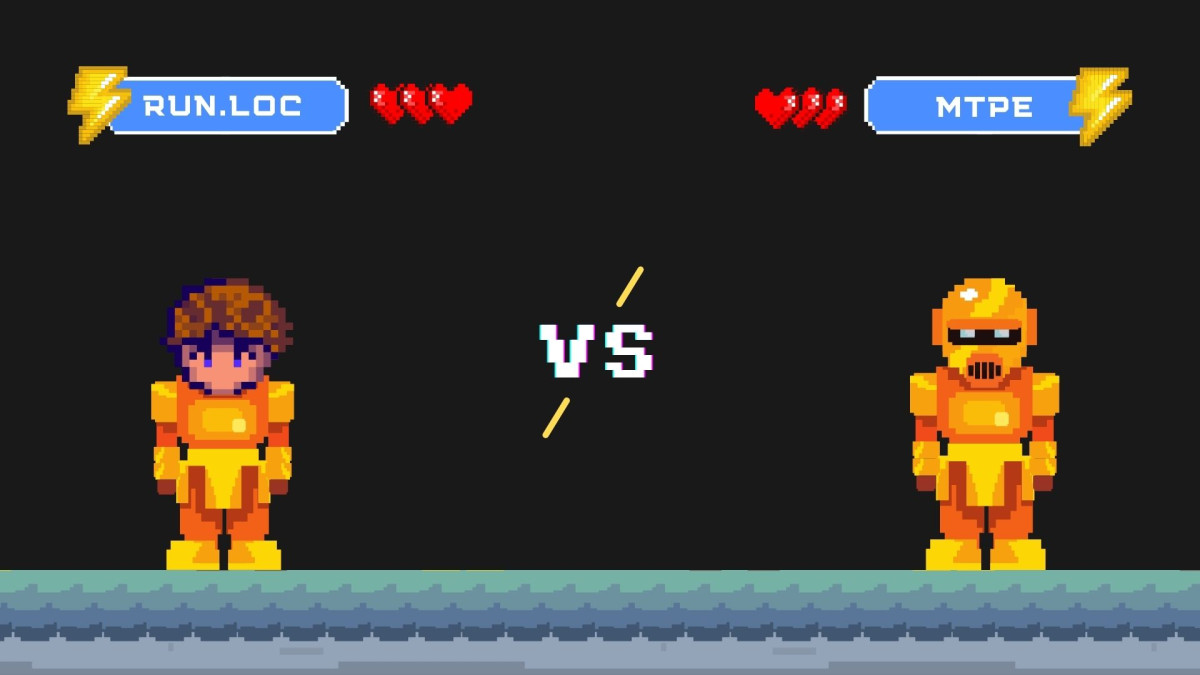
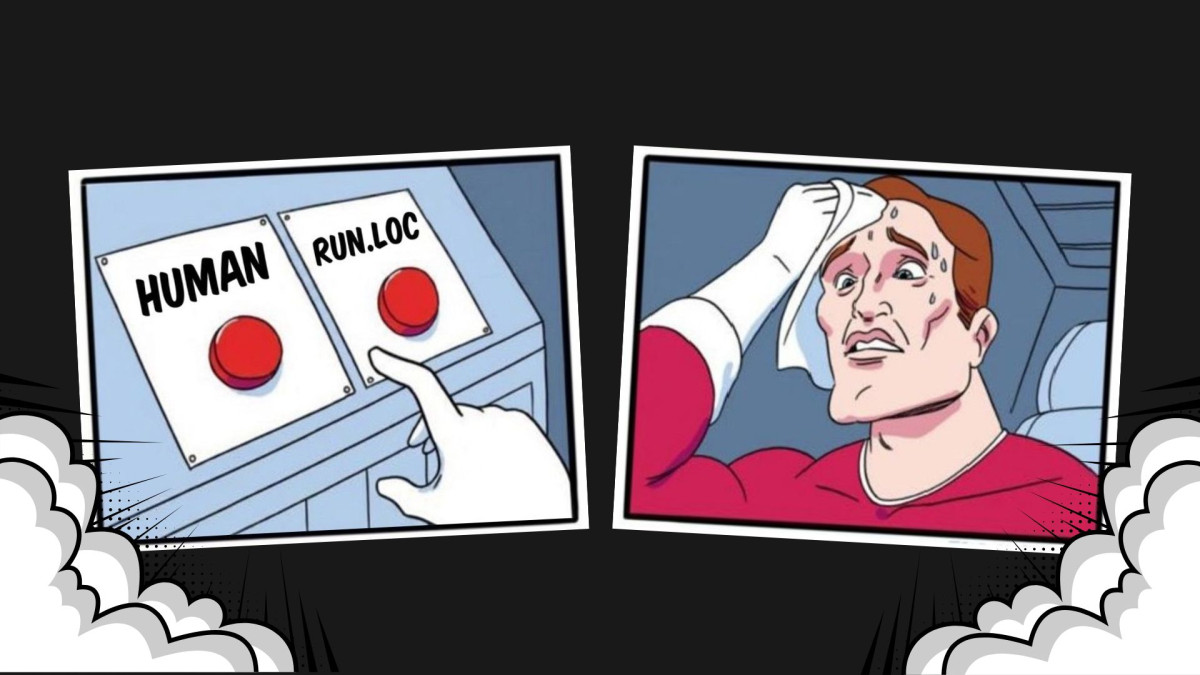
MTPE or run.loc? If your game’s UI strings, item lore, and skill descriptions need localization fast and on budget, the workflow you choose matters. We break down how Allcorrect’s run.loc model replaces full manual review with automated QA and targeted human fixes—without sacrificing quality. See the side-by-side comparison inside.
Think console localization is just about translating button names? Not quite.
Our new article breaks down why Naming Conventions can make or break certification—and how a wrong term can cost studios time, money, and release dates.
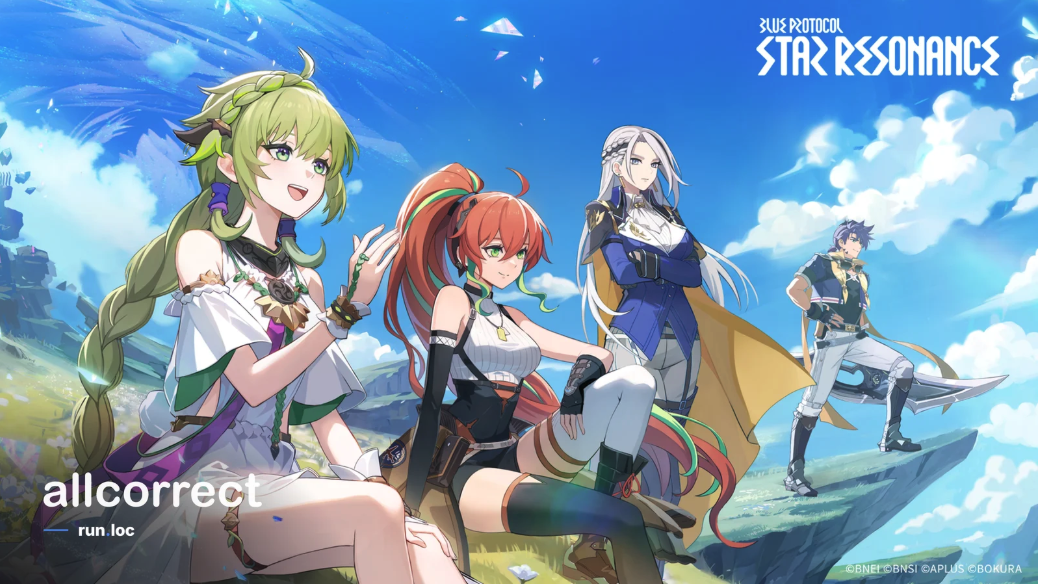
What if you could localize a massive live game faster, cheaper, and with the quality close to traditional workflows?
With this project, run.loc made it possible—delivering 1.4 million words in one month with excellent LQA results.
Here’s how we built a scalable localization pipeline that actually works under pressure.
In the near future the gaming market will exceed USD 360 billion, and quality localization is key to global success. We’ve compiled the top 10 companies based on revenue, portfolio (MobyGames/ProZ), and reputation to help you navigate the market more easily.

Can one document really save weeks of rework?
Yes, if it is a proper style guide. We break down how it reduces ambiguity and accelerates production.
Machine translation in game localization cannot be fairly evaluated with a single universal metric—you need different tools for different jobs. At Allcorrect, we combine an automated LISA/MQM‑based scoring system, edit distance plus embeddings, and classic metrics like COMET/chrF to both measure post‑editing effort and control raw MT quality. This hybrid approach works best for creative game content.
This article gives you a transparent look at how much game localization can cost and why. It covers per-word rates, hourly LQA fees, discounts, contracts, and several real-life examples so you can better plan your localization budget.
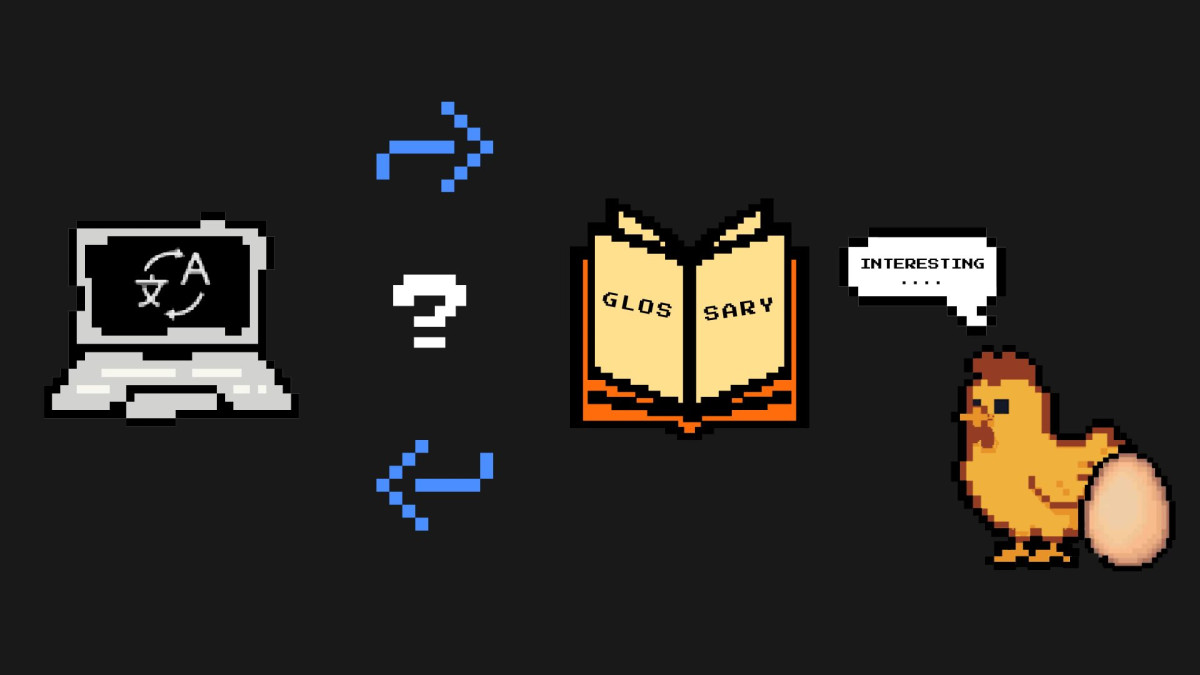
Game localization starts with a glossary paradox: you need the full game text to build terminology, but need terminology to translate consistently. At Allcorrect, we created an automation pipeline that extracts terms from lockits, adds in-game context, and delivers ready glossaries for human or AI workflows. This cuts prep time tenfold and eliminates end-game rework.
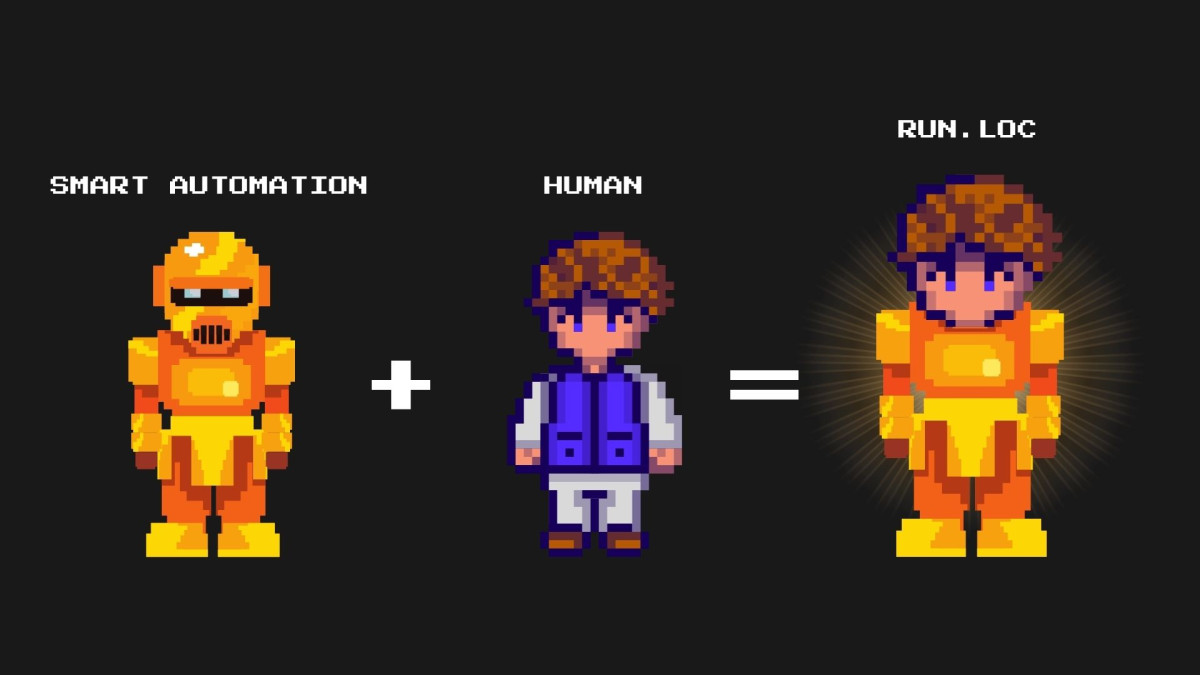
run.loc is our legal cheat code for game localization: a human-in-the-loop workflow powered by smart automation that helps teams process massive volumes of in-game text fast—without flattening character voices or losing context. It’s perfect for projects with tens of thousands of words, tight deadlines, and no desire to burn the entire budget on fully manual translation.