
One of the costliest mistakes game development teams face is trying to solve art outsourcing problems solely by looking for better artists. This approach seems perfectly logical: if the results don’t meet expectations, it’s natural to assume that you need a specialist with a stronger portfolio. But in practice, the cause of those unmet expectations often turns out to be more complex.
- What Is Game Art Outsourcing and Why Do Game Studios Use It?
- Why Talented Artists Can’t Save a Bad Process
- In-House Artist, Freelancer, or Studio: Which to Choose?
- What Are the Most Common Challenges in Game Art Outsourcing?
- The Most Expensive Asset in the Project
- How to Build a Transparent Art Outsourcing Pipeline
- What to Agree on Before Starting Game Art Outsourcing
- Why Processes Matter in Successful Game Art Outsourcing
Over the course of my eight years in the industry, I’ve seen dozens of projects where this logic led to exactly the opposite of the intended result. On one project, the team spent several months searching for the perfect concept artist. When they found them, it turned out the problem wasn’t with the concepts. There was no fully agreed-upon understanding of the visual direction within the team. Each new concept drew a new set of conflicting revisions, and the artist had to take into account the expectations of several stakeholders, which weren’t always aligned with one another.
At some point, the problem ceases to be artistic. It becomes a production issue. That’s precisely why successful art outsourcing isn’t just a story about talent. It’s a story about processes, communication, and decision-making.
What Is Game Art Outsourcing and Why Do Game Studios Use It?
Game art outsourcing is when a studio outsources part of its art production to an external team. This can include concept art, character design, environment art, UI assets, and other game production tasks. There are various reasons for this. Sometimes the in-house team can’t handle the workload of producing game assets for a release or a major patch. Sometimes a project needs a specialist who simply isn’t on staff–a concept artist, animator, UI artist, or technical artist. Sometimes the task is a one-off, and it doesn’t make sense to keep a dedicated person on staff just for that.
In all these cases, outsourcing solves the same problem: quickly scaling up production capacity without the time-consuming process of hiring and onboarding. But there’s an important nuance here that’s often overlooked. The studio thinks it’s buying artists. In practice, a good outsourcing team sells something else–the ability to consistently produce art in the required volume and on time. That’s the difference between a contractor and a game art outsourcing partner.
That’s exactly why two teams with equally talented artists can produce completely different results.
Why Talented Artists Can’t Save a Bad Process
There’s a situation that almost every lead artist has encountered at least once. Let’s say the team is creating a character pack for a mobile game.
- The producer wants it to be “more expensive and more epic.”
- The art director asks to simplify the shapes further to maintain readability.
- The game designer points out that the characters will be displayed most of the time in frames measuring approximately 120 by 120 pixels.
All of these comments make sense. The problem arises when the team hasn’t agreed on which requirement takes priority at this stage. The artist honestly tries to incorporate everything at once. After several iterations, the result is a character that looks like a compromise between three different games.
In such situations, teams often start looking for the cause in the quality of execution or the skill level of the specialists. However, the root of the problem often lies earlier–in the absence of pre-agreed decision-making rules. The task of a strong outsourcing studio is to highlight these blind spots as early as the briefing stage, thereby protecting the client’s budget.
In-House Artist, Freelancer, or Studio: Which to Choose?
Usually, the choice between contractors comes down to cost or team size. In my opinion, the main question is different:
“What would happen if one of the contractors were unable to work tomorrow?”
| Criterion | In-house artist | Freelancer | Game art outsourcing studio |
|---|---|---|---|
| Scalability | It’s costly to pay during production downtime | It’s costly to pay during production downtime | Risks are reduced through a team-based approach |
| Management and technical specifications | Difficult and time-consuming to hire for peak workloads | Must search for and onboard each person individually | The team expands quickly to handle the workload |
| Narrow expertise | Limited by the employee’s area of expertise | You can find someone for the job, but the quality is unpredictable | Artists with different areas of expertise on the same team |
| The main risk | Transparent, but it takes up your lead’s time | You’re responsible for all management and deadline tracking | The studio manages the project itself (PM + Lead Artist) |
Essentially, when you work with a studio, you’re not just buying the labor of a specific person. You’re buying the stability and continuity of the production system.
What Are the Most Common Challenges in Game Art Outsourcing?
Interestingly, most problems are almost never related to the artwork itself. More often, they arise when agreements aren’t honored. For example:
- The style is described using beautiful reference images, but no one has documented the stylistic guidelines in writing.
- The brief contains dozens of screenshots but doesn’t answer the question of what specific criteria will determine whether the art is considered successful.
- Technical requirements for the engine (polygon count, atlases) aren’t clarified until after the assets have gone into detailed rendering.
- Revisions start coming in from team members who weren’t involved in approving the previous stages.
Each individual problem seems harmless. Together, they can easily turn a two-week task into a one-and-a-half-month marathon. Understanding these risks allows you to set up the pipeline to eliminate them before you even start drawing.
The Most Expensive Asset in the Project
It is commonly believed that the most expensive asset is the most complex one. In practice, this isn’t true. The most expensive asset is the one you had to make twice. Or three times.
This is particularly painful when it comes to characters and environments. The team goes through sketches, color keys, the final render, and polishing the details, and then it suddenly turns out that the parties’ expectations diverged as early as the initial sketch phase. After something like this, it’s tempting to blame the artists, though the reason is almost always much deeper. The mistake didn’t happen during the drawing phase. The mistake happened during the phase of establishing intermediate checkpoints.
How to Build a Transparent Art Outsourcing Pipeline
A clear outsourcing pipeline helps teams manage quality, timelines, revisions, and technical requirements throughout production. To ensure that checkpoints don’t turn into red tape and that course corrections can be made with minimal disruption, the production process for different tasks should be divided as follows:
- Characters and concept art: sketch → color and detailing → final render.
- Icons and UI: 2–3 style options → approval of the direction → rendering of the full set → final.
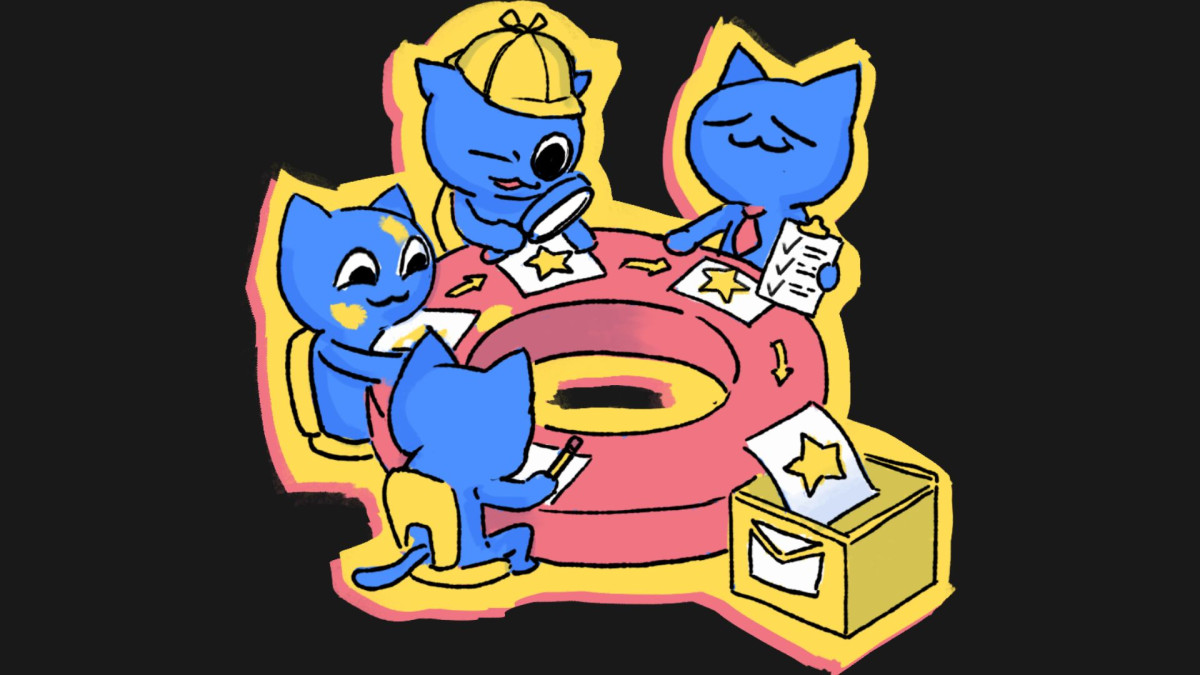
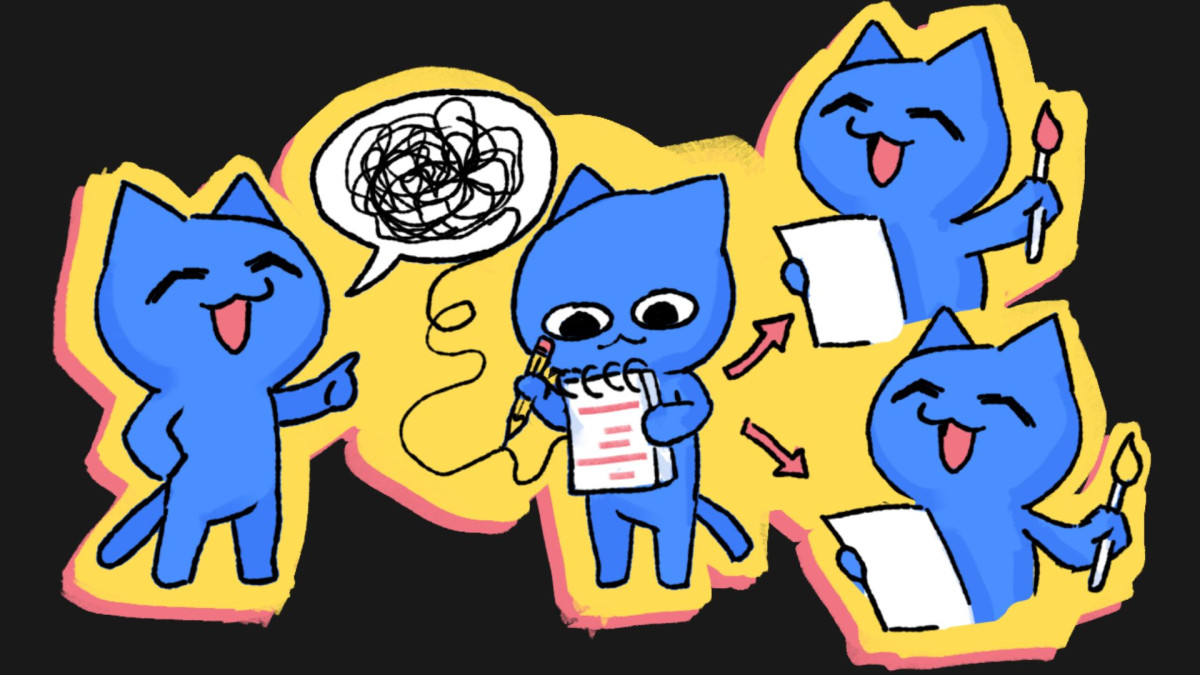
At the same time, it’s critical that at each stage feedback from the client be transformed by the studio’s art director into technical specifications. An abstract request like “make the character livelier” should be translated for the artist into a clear technical specification: “shift the contrast toward warmer tones, and add dynamism to the pose.”
What to Agree on Before Starting Game Art Outsourcing
The more experienced a team becomes, the more time it spends on preparation before production begins. Before launching a project, it’s important to transparently answer questions that may seem obvious:
- Who makes the final decision and consolidates feedback?
- How many rounds of revisions are included in each iteration?
- What are the technical and visual criteria for success?
- What hard constraints does the engine (Unity/Unreal) impose?
- By what deadlines do the parties commit to providing feedback?
The answers to these questions have a much greater impact on the project’s final timeline and budget than the skill level of individual team members.
Why Processes Matter in Successful Game Art Outsourcing
In all my years of work, I’ve never seen a project fail solely because of a lack of artistic skill. On the other hand, I’ve seen plenty of situations where talented professionals spent weeks going in circles because the production team lacked clear guidelines.
So when people ask me what’s more important for successful art outsourcing–artists or processes–I usually give the same answer. Good artists help create excellent art. Good processes help ensure it’s produced consistently, predictably, and within budget.


