
It began with a spaceship game at MIT and grew into a mod that turned players into game developers. Here is how GTA became modding’s biggest playground.
- What is modding and how did it start?
- How did Doom become the starting point for modern modding?
- Why did GTA specifically become a modding hotspot?
- How did the Russian-language mod Criminal Russia come about?
- How did SAMP come about, and why is it not just another mod?
- How and when did SAMP come to mobile?
- Key points about the origins of GTA modding
Modding, or the modification of game code and files by enthusiasts, has existed for almost as long as computer games have themselves, and came about as a byproduct of 1960s hacker culture. GTA has since become one of the most modded franchises in history, and one of its mods (the San Andreas Multiplayer, or SAMPA multiplayer modification for GTA: San Andreas that lets players join custom servers with their own rules and game modes.) has grown into standalone infrastructure upon which a billion-dollar business has been built. Here we’ll be exploring the origins of mods, why GTA was the perfect platform for the modding community, and how SAMP came to be.
Key milestones across both parts. You are reading Part 1.
What is modding and how did it start?
A modification, or modA user-made change to game files, from swapping a texture to reworking the whole game world., is a user-made change to game files, ranging from replacing textures to completely reworking the game world. Modding as a phenomenon predates the term “video game” in the commercial sense; it grew directly out of hacker culture.
The first known game mod appeared for one of the first-ever computer games. Steve Russell, a member of the Tech Model Railroad Club, developed Spacewar! (1962) at MIT—players controlled a spaceship on a PDP-1A minicomputer from the early 1960s, popular in university labs. Spacewar! was written for it. computer. The program quickly spread across university computer labs in the US, and other enthusiasts began refining the code. Some added background star generation, others gravity calculations, custom controllers were built from salvaged hardware.
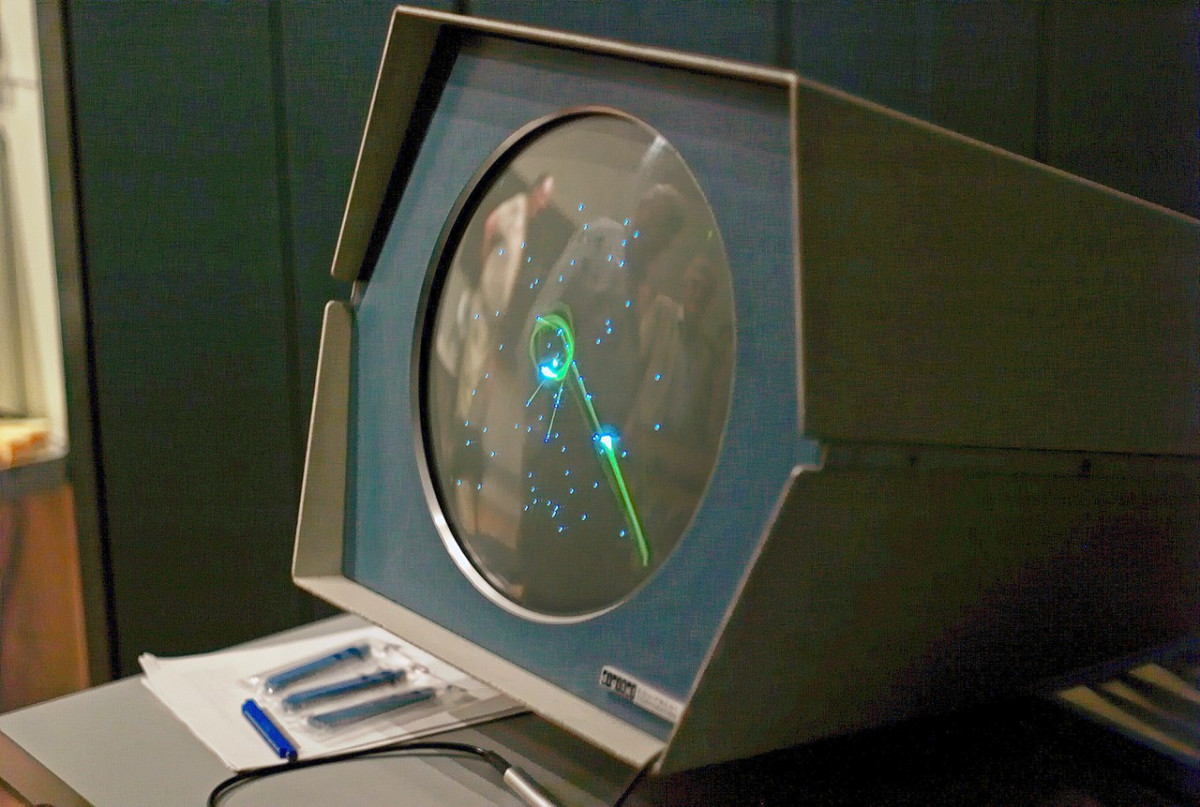
As researcher Steven Levy later described in his book “Hackers,” these programs were simply “tossed in a desk drawer along with the others,” and anyone could take one, break it down, and rewrite it. In fact, the very possibility of collectively improving software was part of hacker ethic.
Modding wasn’t invented alongside GTA or Doom—it has existed since the 1960s as a natural consequence of open source code and only later developed into a distinct industry.
How did Doom become the starting point for modern modding?
The first mod, in the modern sense of the term, only appeared in 1993, alongside the game Doom.
id Software developers John Carmack and John Romero were already aware that fans of their previous game, Wolfenstein 3D, attempted to modify the files themselves. Drawing from this experience, they purposely packaged game assets for Doom into a custom format (WADThe container format Doom uses for levels, sprites and sounds. It was designed so that fans could swap content in and out without touching the game’s code.), which was specifically designed to facilitate modification. This decision to open the game to community modifications, as opposed to just code leaks, was deliberate.
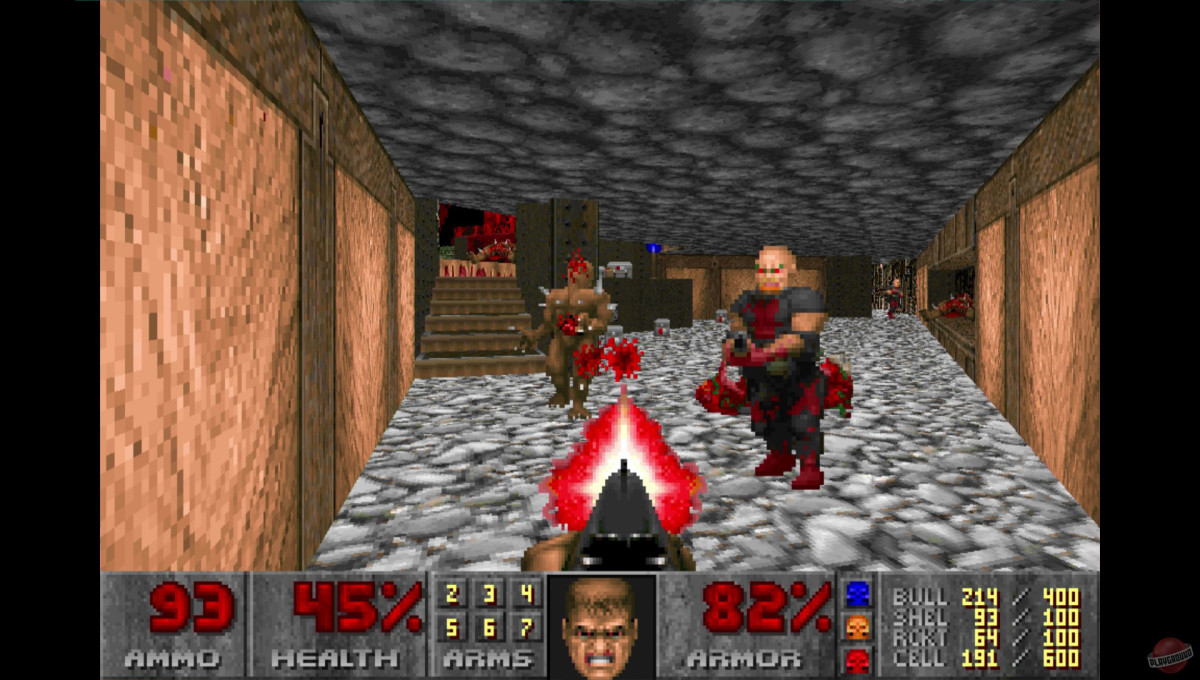
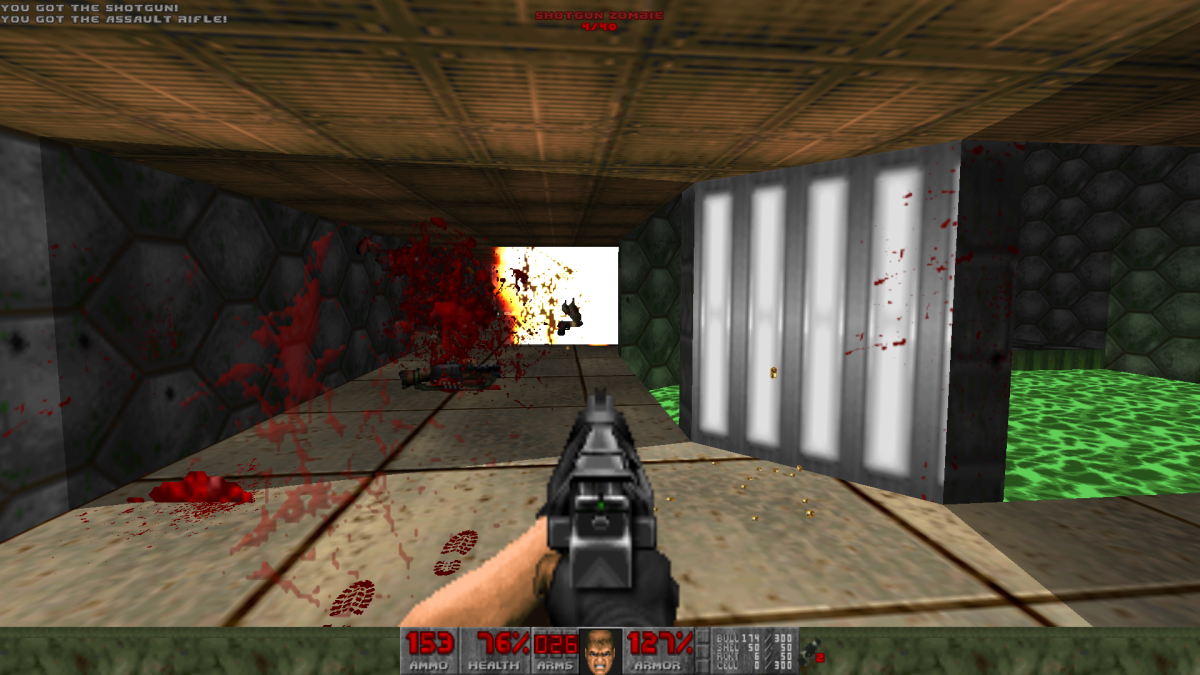
From there on, many studios began officially allowing players to mod their games; some even started helping aspiring modders earn money from their creations through official platforms.
Why did GTA specifically become a modding hotspot?
The first Grand Theft Auto was released on November 28, 1997. Players stepped into the role of a criminal roaming the city, carrying out criminal jobs such as stealing cars, contract killings, and more. GTA 2 was released on October 22, 1999, but the series achieved a true cult status when the 3rd installment came out. GTA IV and GTA V then became benchmarks for high-budget games, marketing included.
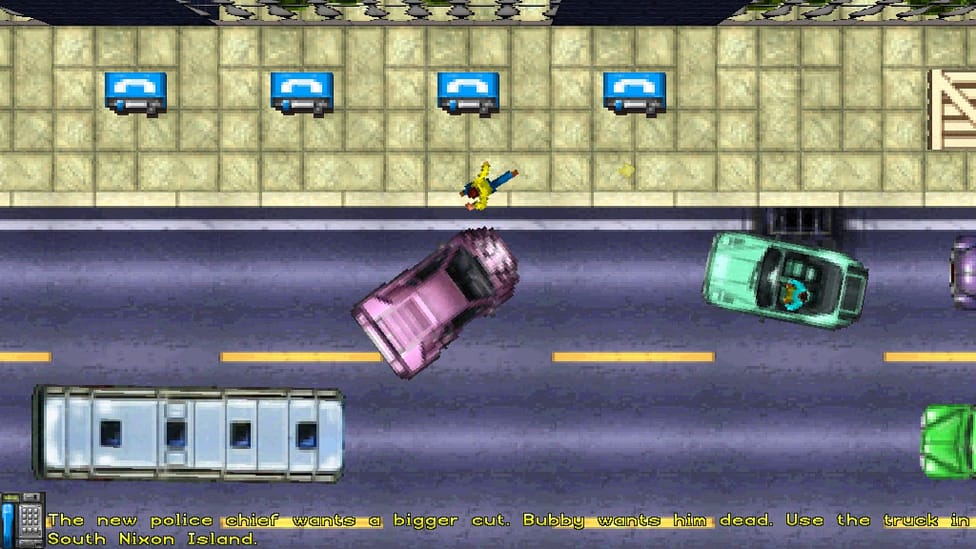
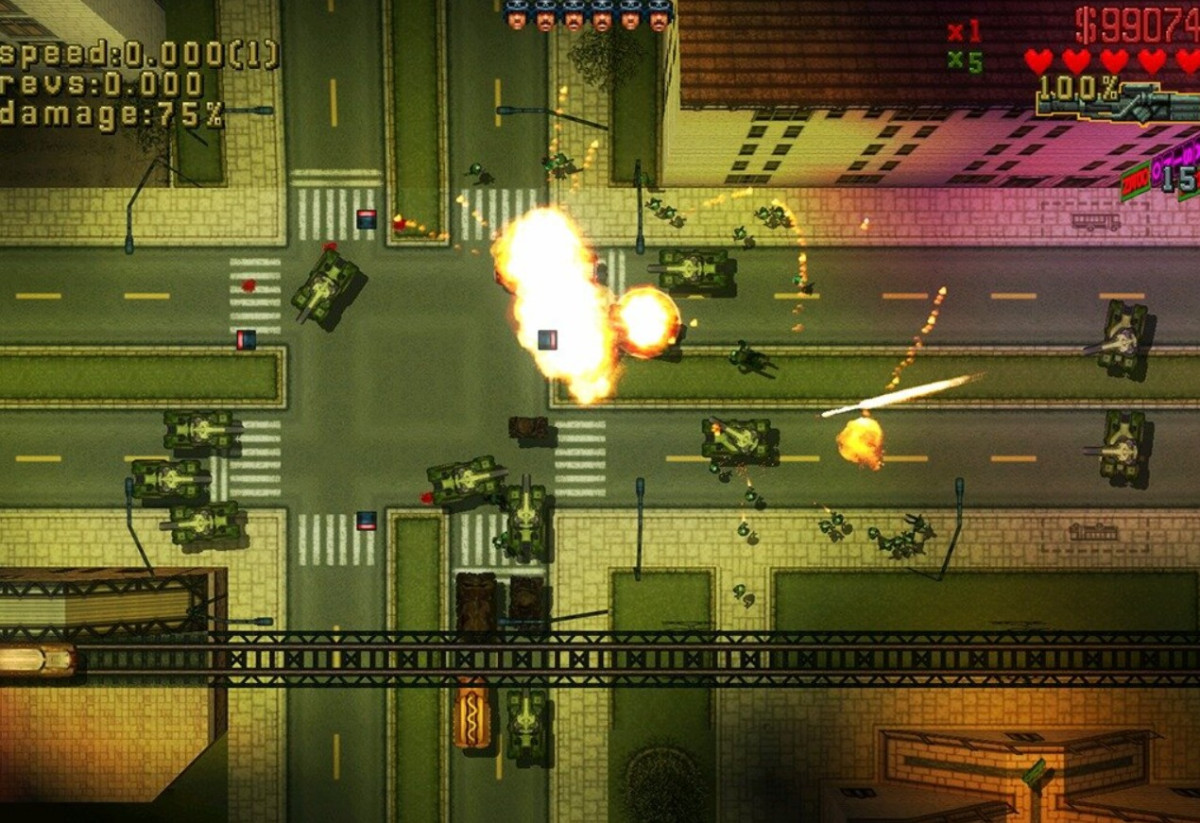
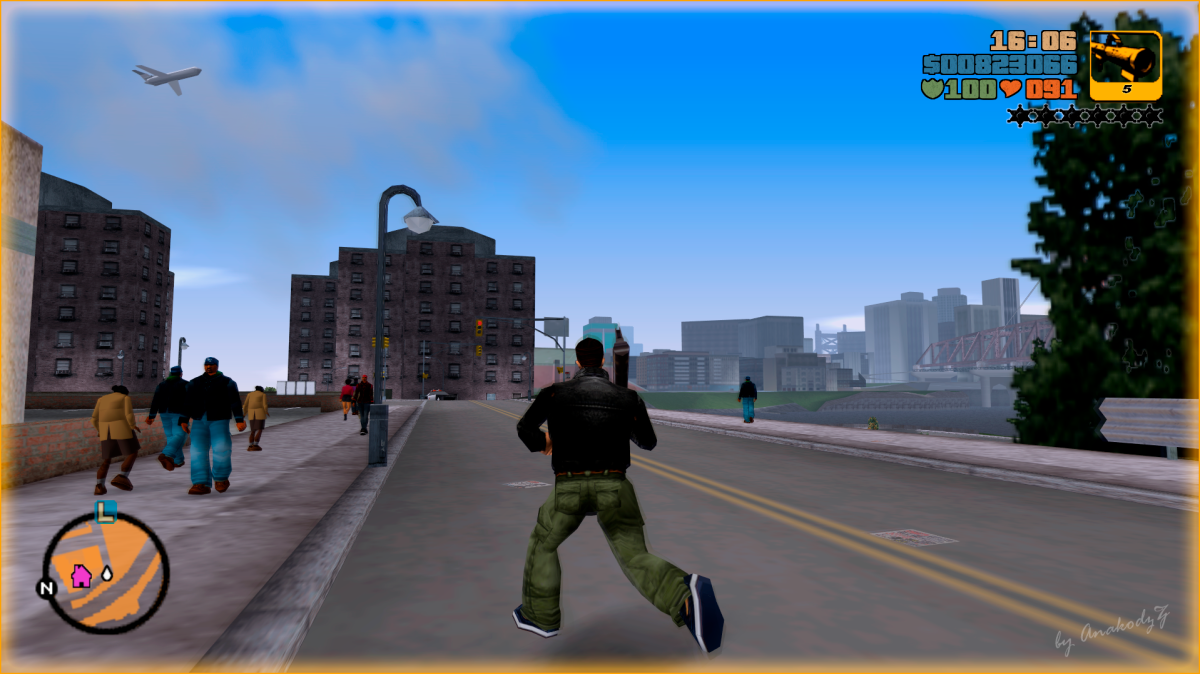
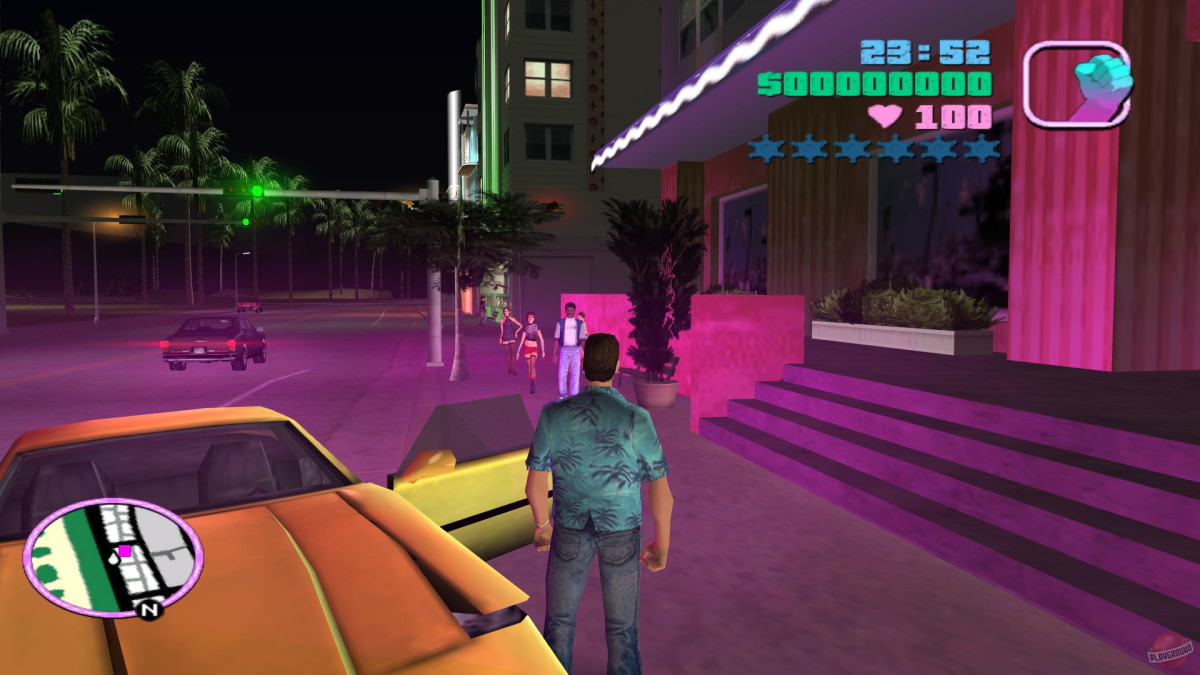
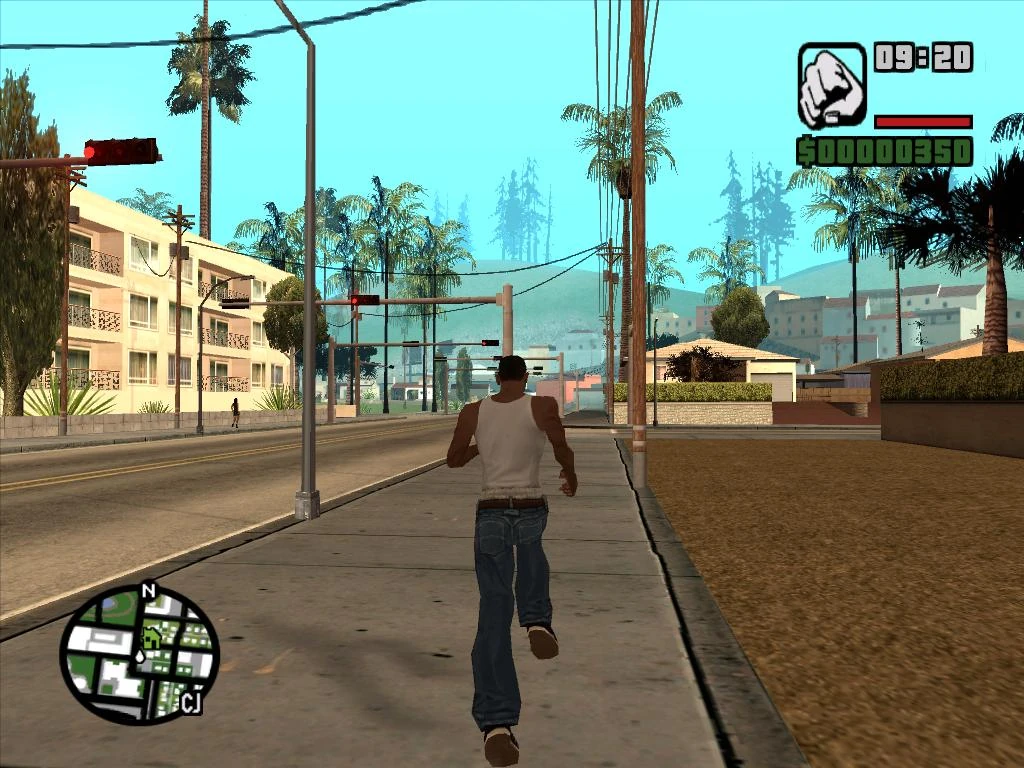
Modding for the first games wasn’t very well developed. Map editors existed for GTA 2, but most players paid them little heed. The real modding boom began when GTA III, GTA: Vice City, and GTA: San Andreas were released. Fans created tons of modifications, ranging from minor script tweaks to huge total game conversionsMods that replace so much (map, cars, story, rules) that the result plays like a different game.. Most of these mods are still alive and kicking.
Until 2017, the GTA V user agreement allowed game modification for non-commercial purposes, and Rockstar itself was usually favorable toward fan projects. They regularly highlighted popular mods in their official communications with players.
It’s no accident that GTA became such a highly moddable franchise. The open architecture of the first three key installments (III, Vice City, and San Andreas) on top of Rockstar’s own long-standing loyalty created the perfect condition for the modding community to flourish.
How did the Russian-language mod Criminal Russia come about?
On June 7, 2004, four months before GTA: San Andreas was released, the user L@bukh announced on the AG.ru forum that they were starting to work on the Grand Theft Auto: Criminal Russia mod. At first the mod was based on GTA: Vice City, but after San Andreas was released, the team ported the modification to the new engine, replacing all the building models, vehicles, and radio stations with Russian versions.
The demo 0.1.2 version was released on December 31, 2006. In addition to Los Santos, it included the town of Edovo—a prototype for the future GTA Criminal Russia—complete with a pack of 50 Russian cars, local weaponry, and Russian radio stations. In 2007, a special disc demo version of the mod was released via the Game World Navigator and PC Games magazines. According to reports at the time, dozens of replaced vehicles and weapons were impressive, even in their unfinished state.
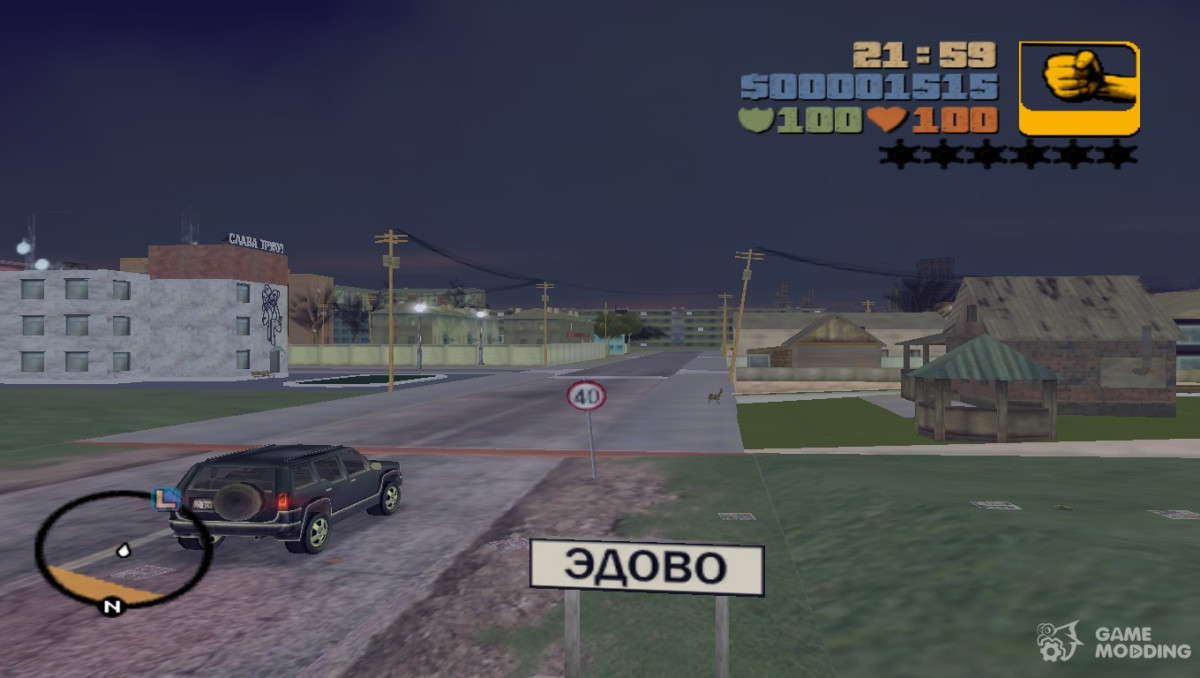
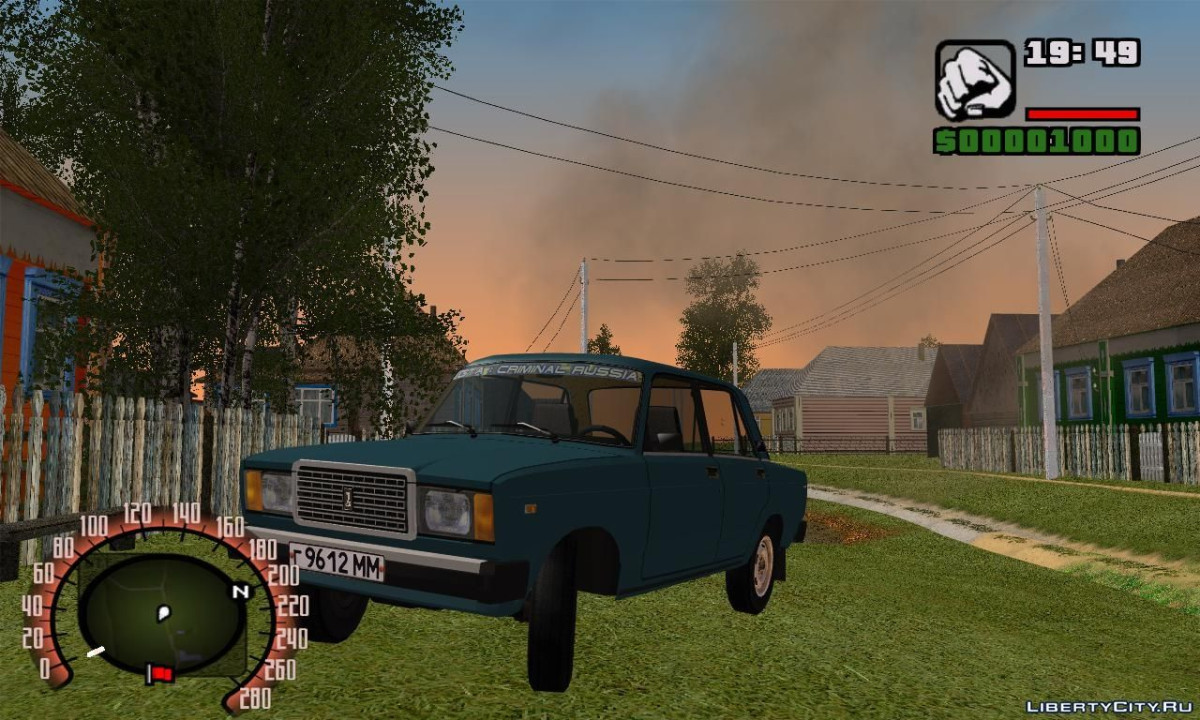
On July 29, 2008, the L@bukh “CR-Team” handed development over to other enthusiasts, who joined forces under the name “United Russian Mod” (URM). The first beta version of the URM was released on March 24, 2009, combining maps from several parallel Russian modding projects. The project survived several team changes and reincarnations, and lives on today under the acronym CRMPCriminal Russia Multiplayer: the multiplayer descendant of the Criminal Russia mod. (Criminal Russia Multiplayer).
Russian-language modding for GTA developed in parallel with—and largely independently of—the English-speaking community, with its own history of consolidating unrelated projects into a unified platform.
How did SAMP come about, and why is it not just another mod?
While Criminal Russia was evolving in Russia, another community, this time far more influential for the industry’s future, was taking shape elsewhere.
In early April 2005, shortly after GTA: Vice City was released, several members of the modding community joined forces under the leadership of an Australian developer named Kalcor to create Vice City Multiplayer. The project attracted its first 120 fans and released version 0.1d, but on June 10, 2005, GTA: San Andreas was released, and the Kalcor team instantly switched to modding a multiplayer version for the new game.
They named the project San Andreas Multiplayer, or SAMP for short. It was initially a deathmatch-style game, but the choice to use the PawnA lightweight, easy-to-learn scripting language. In SAMP it is used to write server scripts, called game modes. programming language for writing server scripts proved to be a key technological decision. Pawn’s simplicity meant anyone could create their own game modes and whole missions on the San Andreas map. Any mod—Capture the Flag, Team Deathmatch, money-making modes, and, crucially for the game’s future, FreeroamA mode with no fixed objective: players are free to do just about anything on the map.—was possible. These Freeroam modes allowed players to do just about anything they wanted.
How and when did SAMP come to mobile?
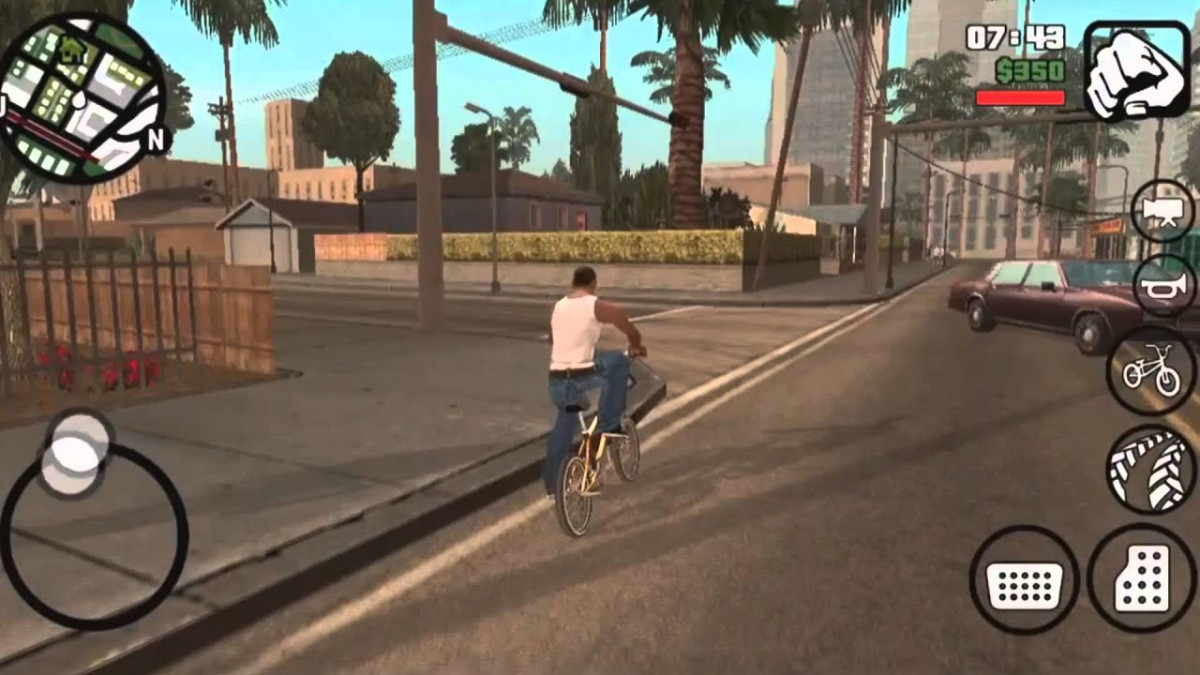
Starting from 2010, Rockstar began porting games from the series to mobile platforms. On January 18, 2010, GTA: Chinatown Wars was released on iOS with no prior announcement, followed by a mobile version of GTA: San Andreas in December 2013. The latter was a direct port of the PS3 and Xbox 360 version, which allowed mobile players to enjoy the full gaming experience at the same level as when playing the console versions. But this portability came at a price. It was optimized for touch controls, and so true modding enthusiasts continued playing on their computers.
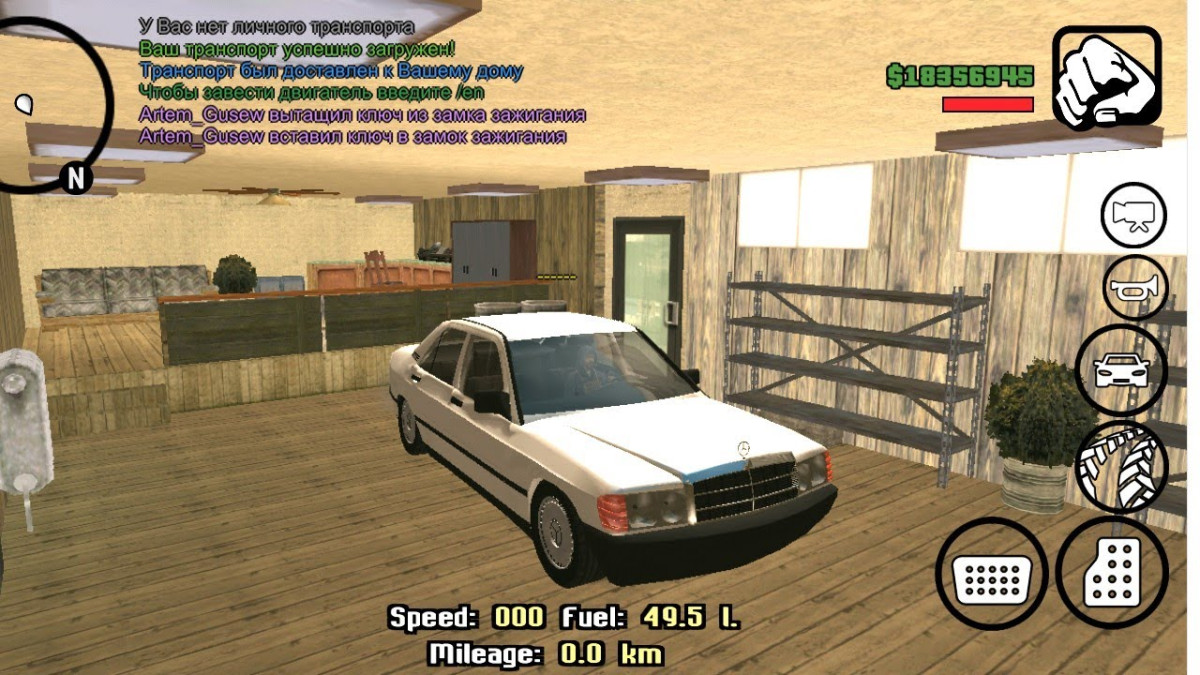
The first attempts at porting SAMP to smartphones came later. On September 3, 2016, a developer using the handle Rei Ayanami released the first version of a mobile client for SAMP, utilizing code elements from earlier mods, specifically CLEOA library that extends GTA games with custom scripts. Many early mods were built on it. and plugin-sdk. At that time, it only allowed players to launch the game, but they couldn’t interact with the other players online.
On December 11, 2017, the same developer (also known as Ray) released a version featuring full player synchronization between mobile devices and PC, a built-in chat, and other functions. Then on February 1, 2018, the first SAMP server originally developed for a mobile app—the role-playing project Bollywood RP—was launched. From this point on—and especially since 2019, when the development of another major mobile project began—the market of mobile GTA clones saw rapid growth, both in Russia and worldwide.
Launching on official app stores—App Store and Google Play—was a distinct technical and legal challenge. Apple closely monitors IP rights, meaning all of the projects were required to rewrite the SAMP server and client using a proprietary engine with no code from the original game. By 2023, the most successful projects of the bunch had managed to launch as fully standalone iOS apps.
-
On September 3, 2016, a developer using the handle Rei Ayanami released the first version of a mobile client for SAMP, utilizing code elements from earlier mods, specifically CLEO and plugin-sdk.
-
On December 11, 2017, the same developer (also known as Ray) released a version featuring full player synchronization between mobile devices and PC, a built-in chat, and other functions.
-
Then on February 1, 2018, the first SAMP server originally developed for a mobile app—the role-playing project Bollywood RP—was launched.
-
From this point on—and especially since 2019, when the development of another major mobile project began—the market of mobile GTA clones saw rapid growth, both in Russia and worldwide.
-
By 2023, the most successful projects of the bunch had managed to launch as fully standalone iOS apps.
SAMP’s transition to mobile platforms marked both a technical and legal watershed. The need to abandon the original game code to be able to launch on official app stores forced the most successful projects to develop their own, legally independent engines, and this paved the way for them to transform into full-fledged businesses.
Key points about the origins of GTA modding
Video game modding as a phenomenon predates GTA and Doom; it originated in the 1960s alongside hacker culture at US universities.
Doom, which came out in 1993, was the first game that developers specifically created to be moddable, thus establishing a template for the entire industry.
GTA III, Vice City, and San Andreas became the most moddable games thanks to their open architecture and Rockstar’s permissive attitude—at least until the license amendment in 2017.
A distinct branch of modding developed in parallel in Russia, from Criminal Russia (2004) to modern-day CRMP.
SAMP (2005) became a watershed project thanks to the Pawn scripting language, which turned players into creators of their own game modes.
Mobile SAMP, which dates back to 2016, and the subsequent shift of successful projects to proprietary engines, laid the technological foundation for transforming fan-made modding into a standalone business industry. Part 2 looks at the legal side of this story. The business side is covered in our separate article “The Economics of GTA Clones: How a Mod Turns into a Billion-Dollar Business.”
FAQ
Disclaimer: This article is for informational purposes only and covers the topic of modding open-world games. Allcorrect advocates for the protection of copyright and does not support piracy.


