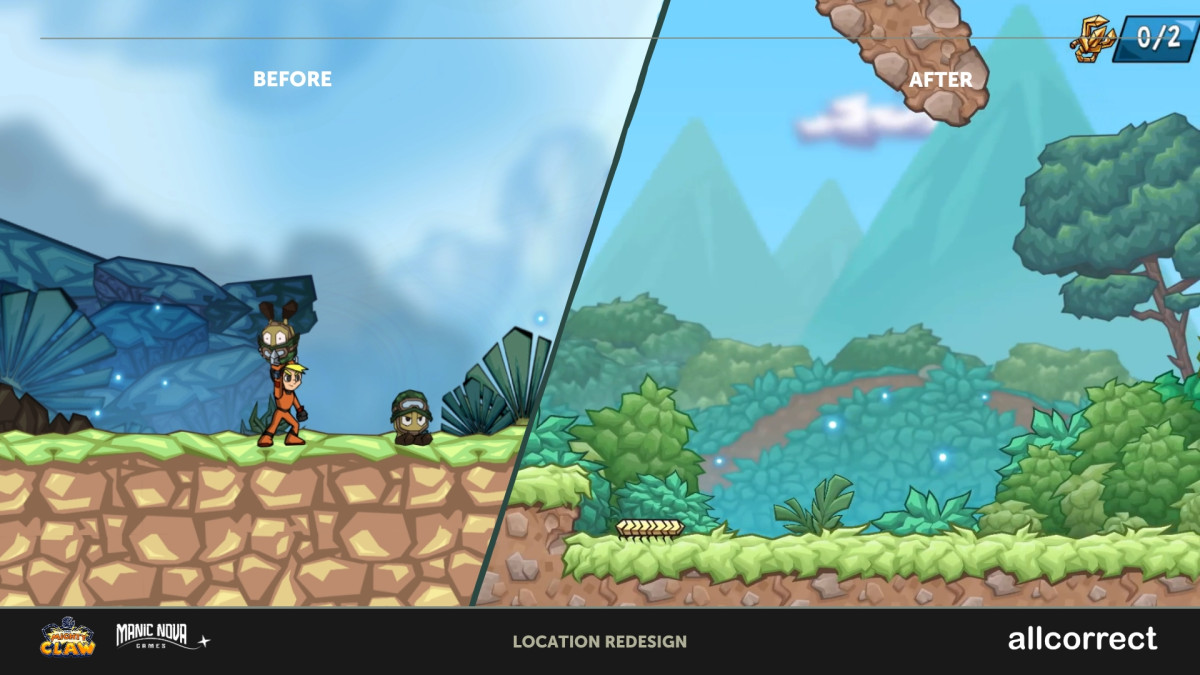
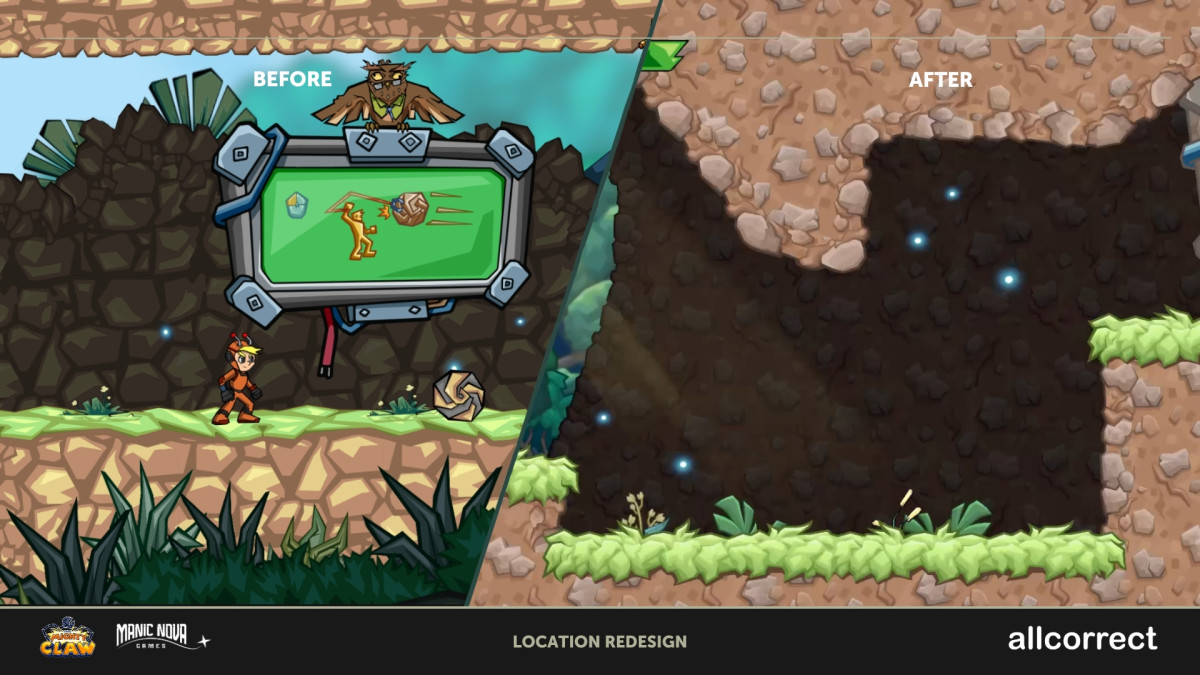
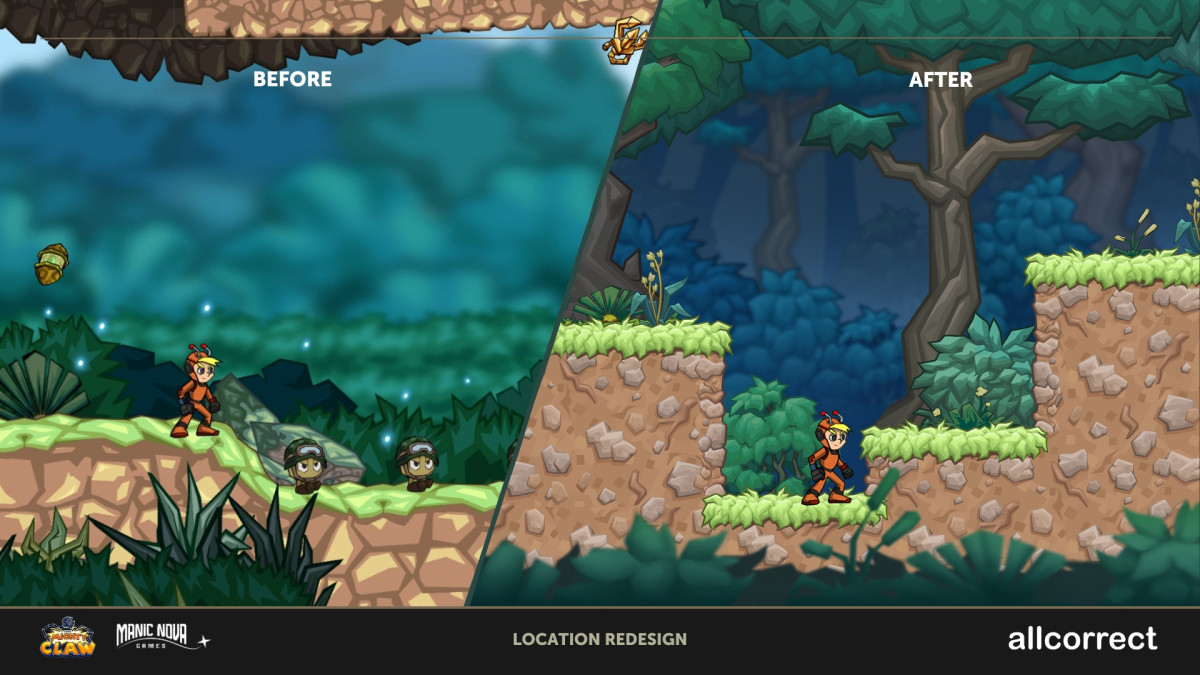
- Complete overhaul of the environment art visual style
- Asset integration into the Unity Sprite Shape pipeline
- High-volume iterations with fast approval cycles
- Supported the client in securing a €6,000 development grant
- Worked within strict in-engine technical constraints
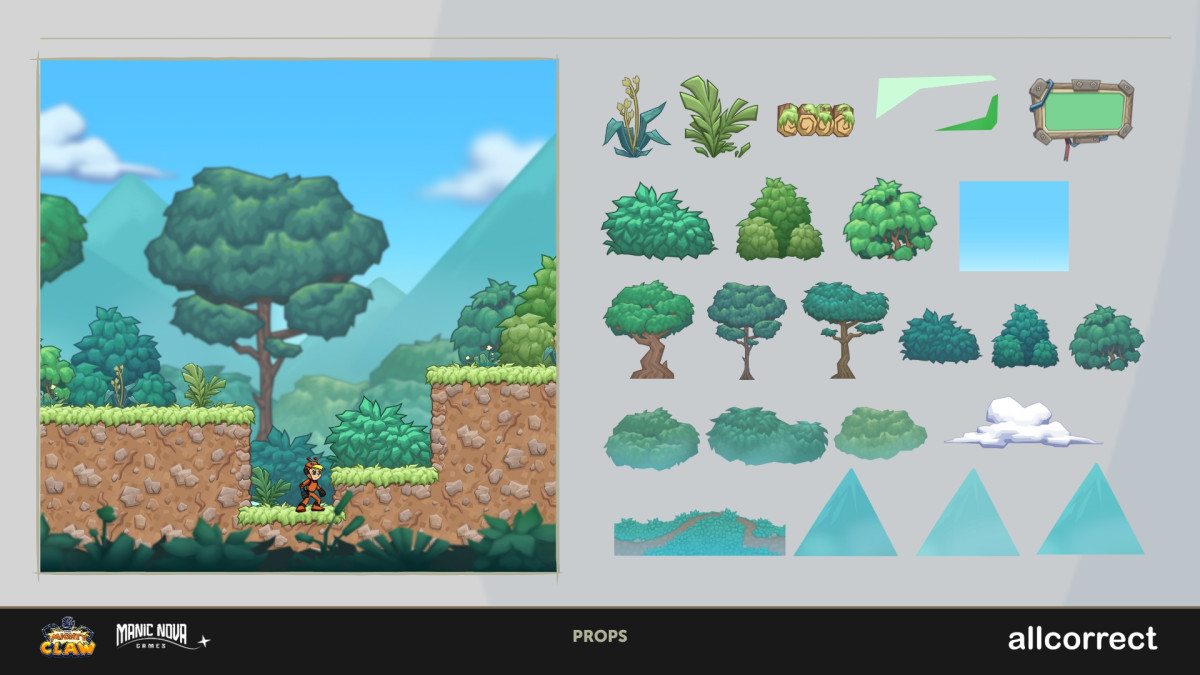
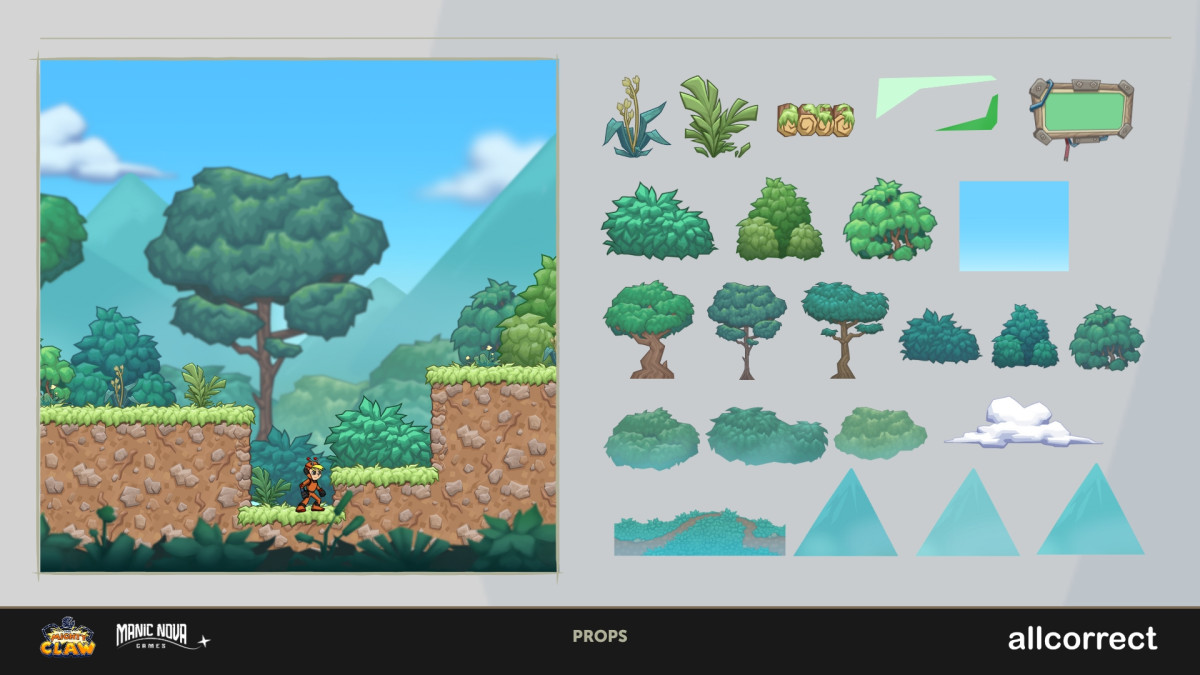
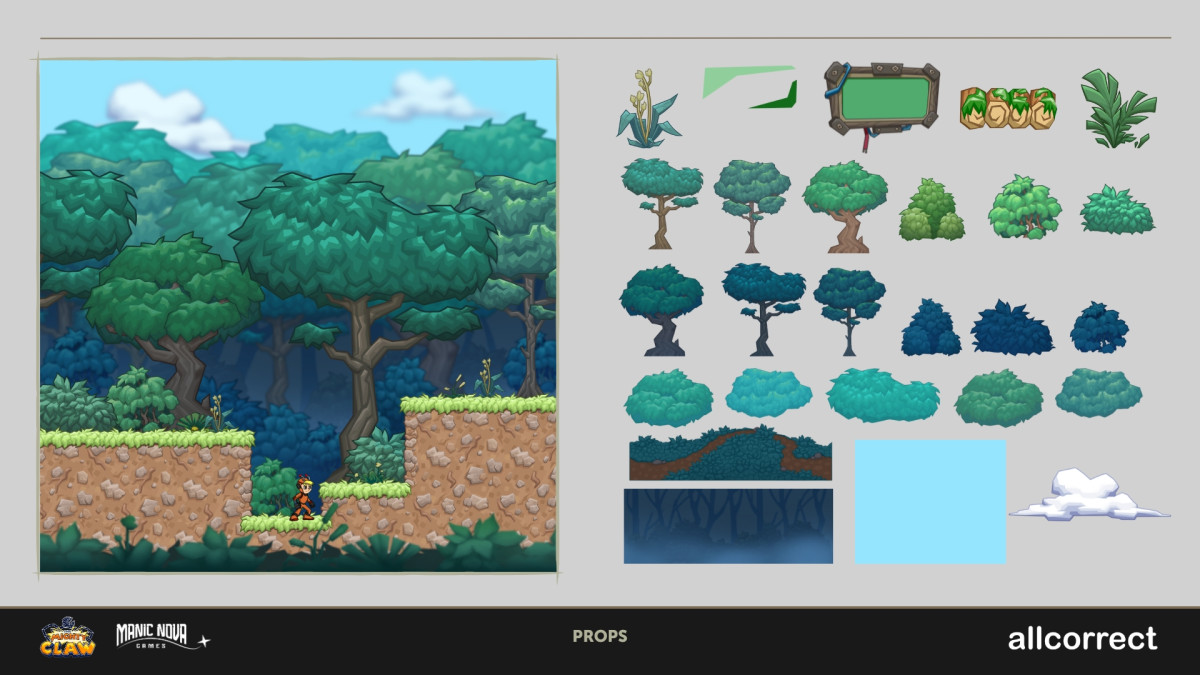
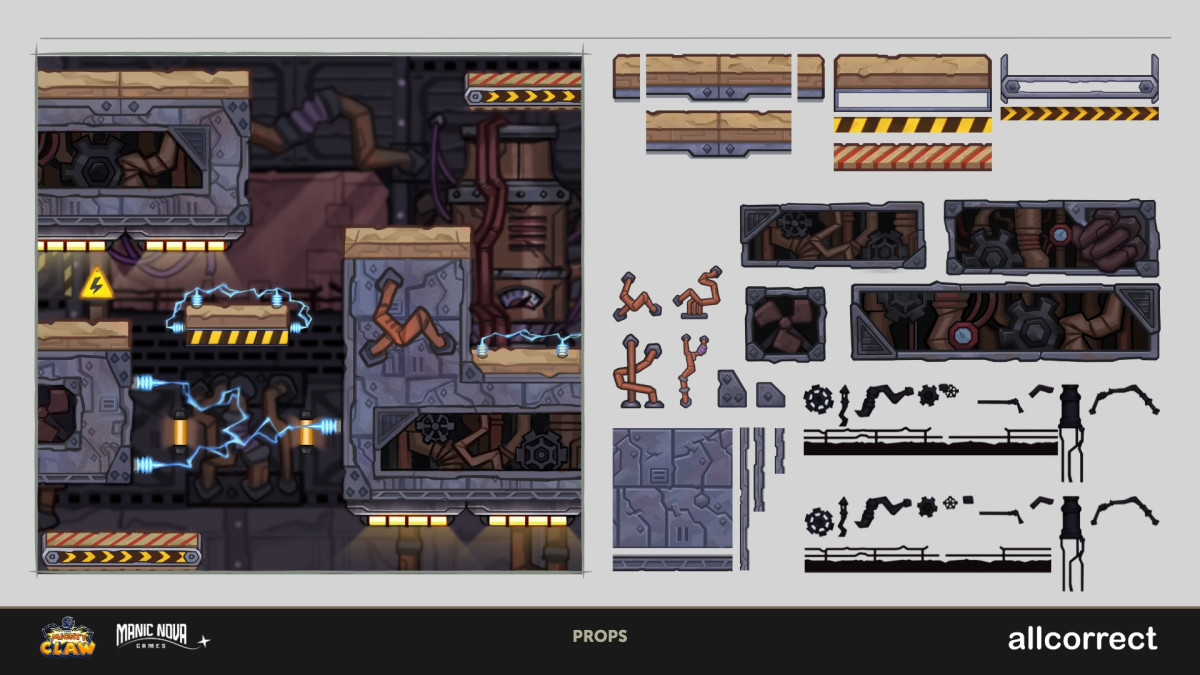
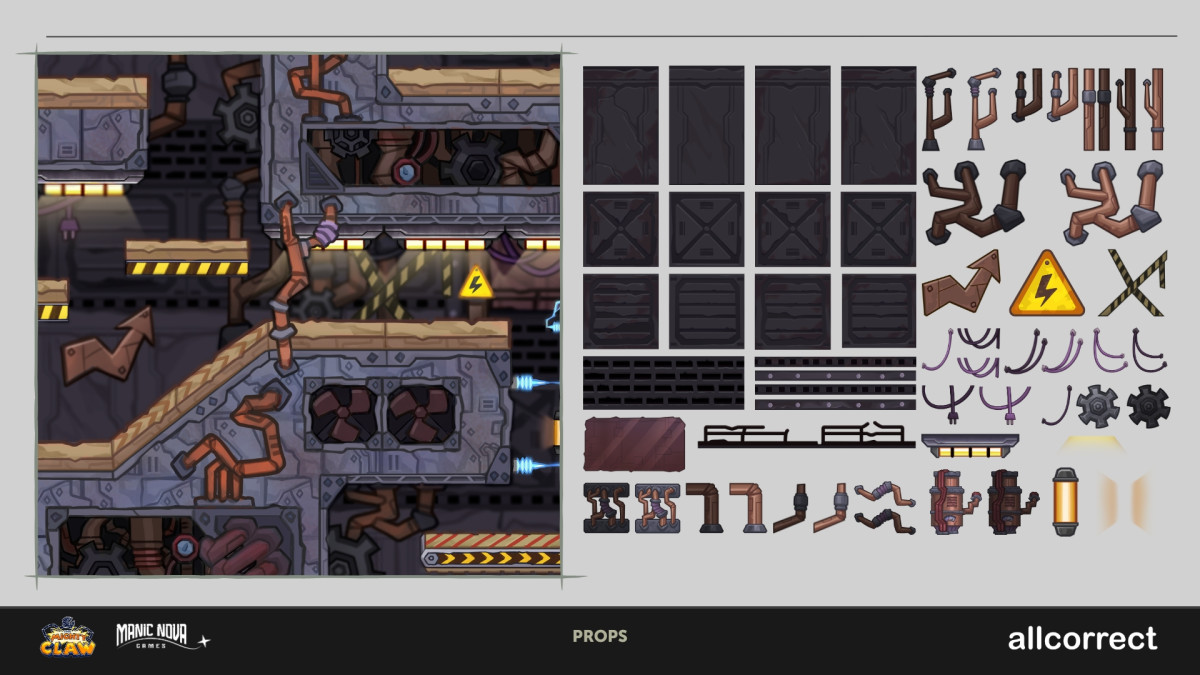
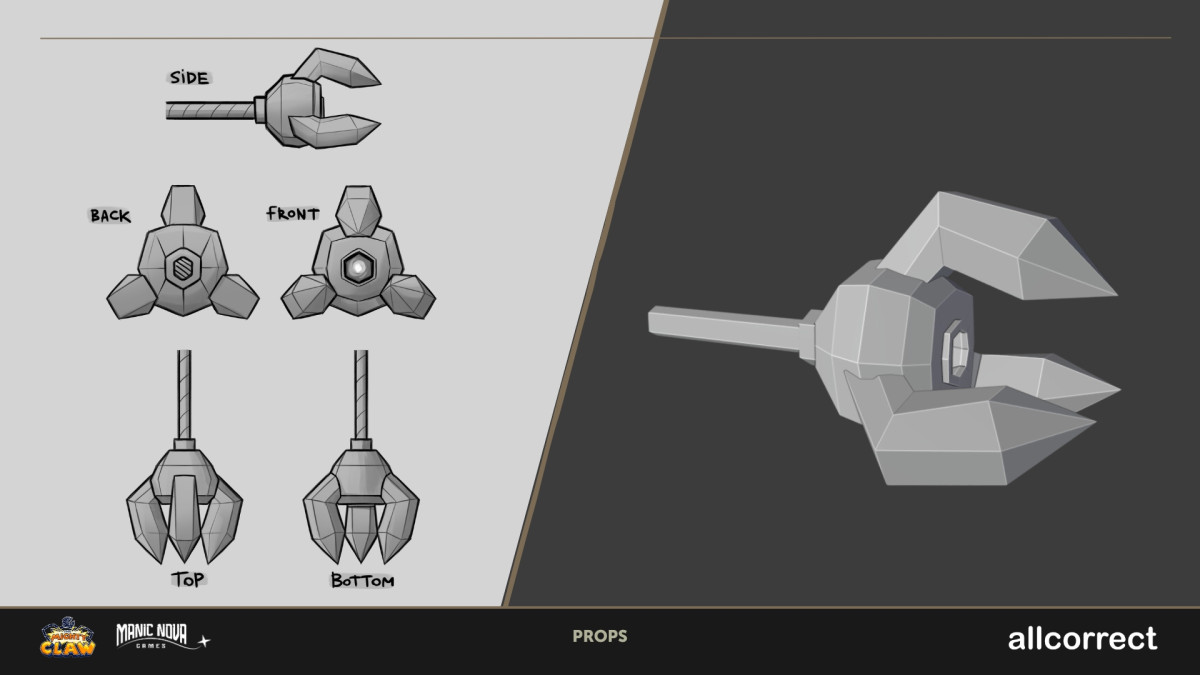
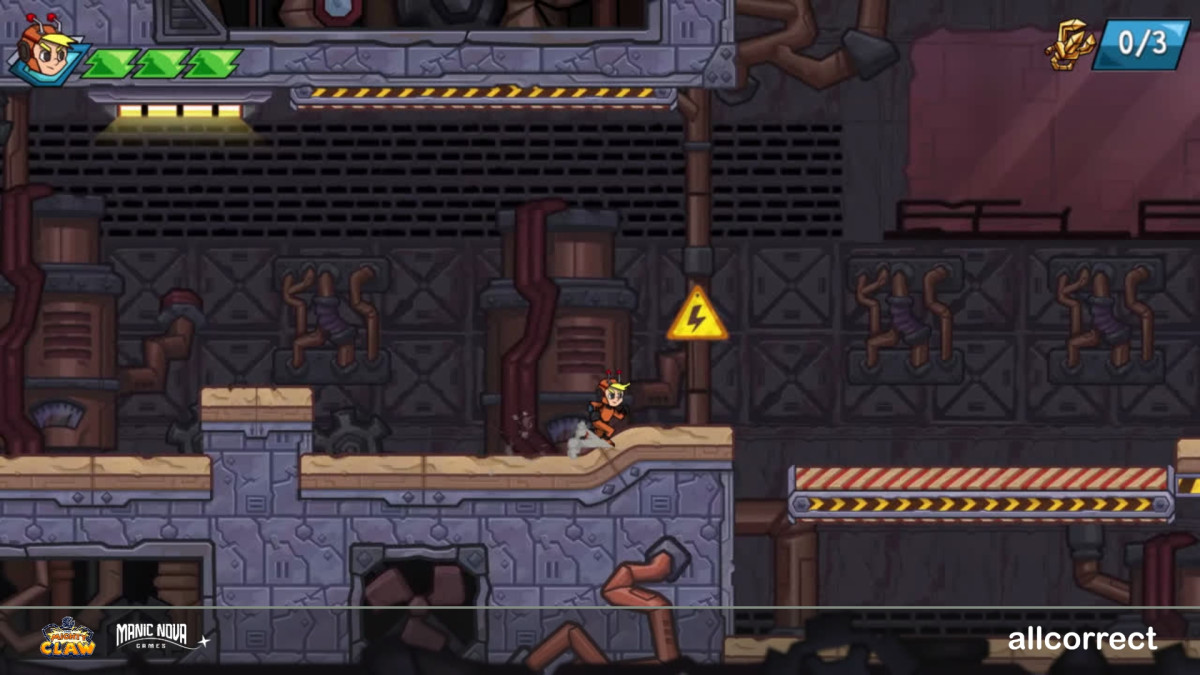
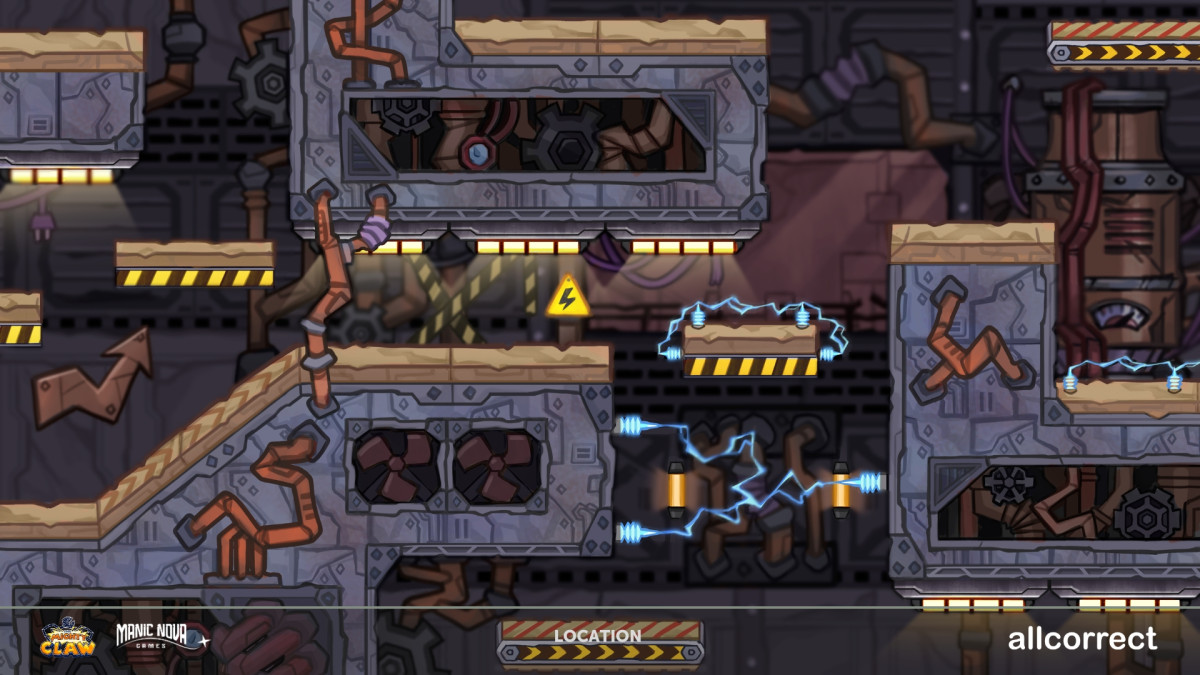
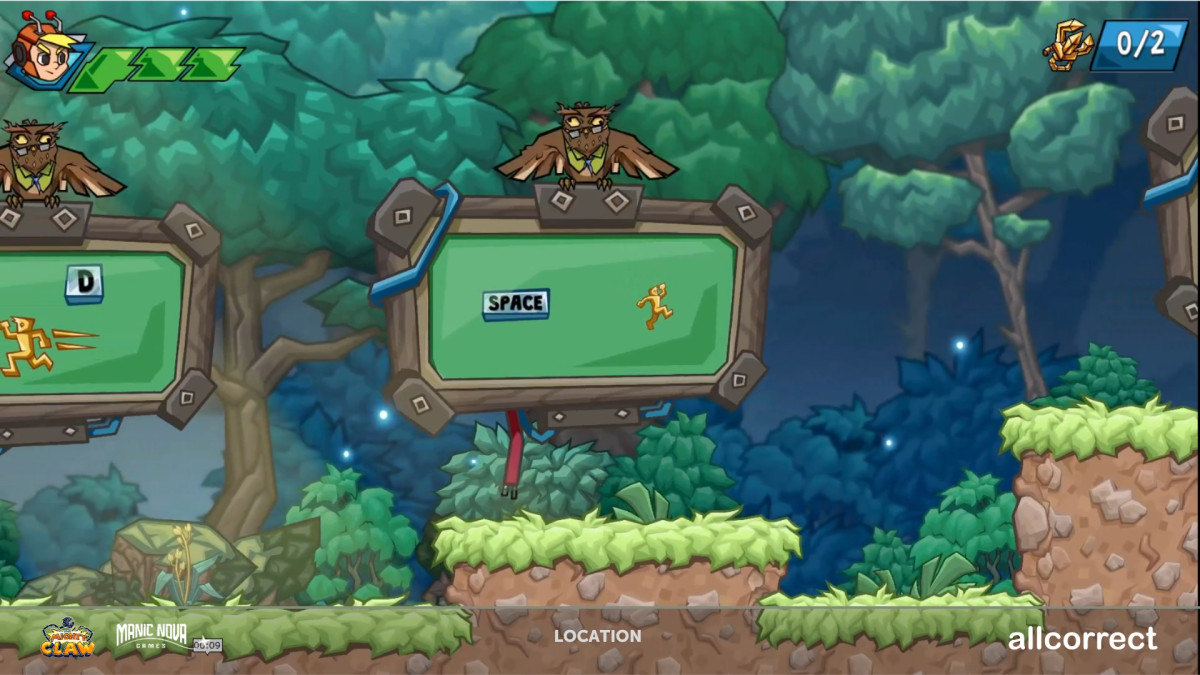
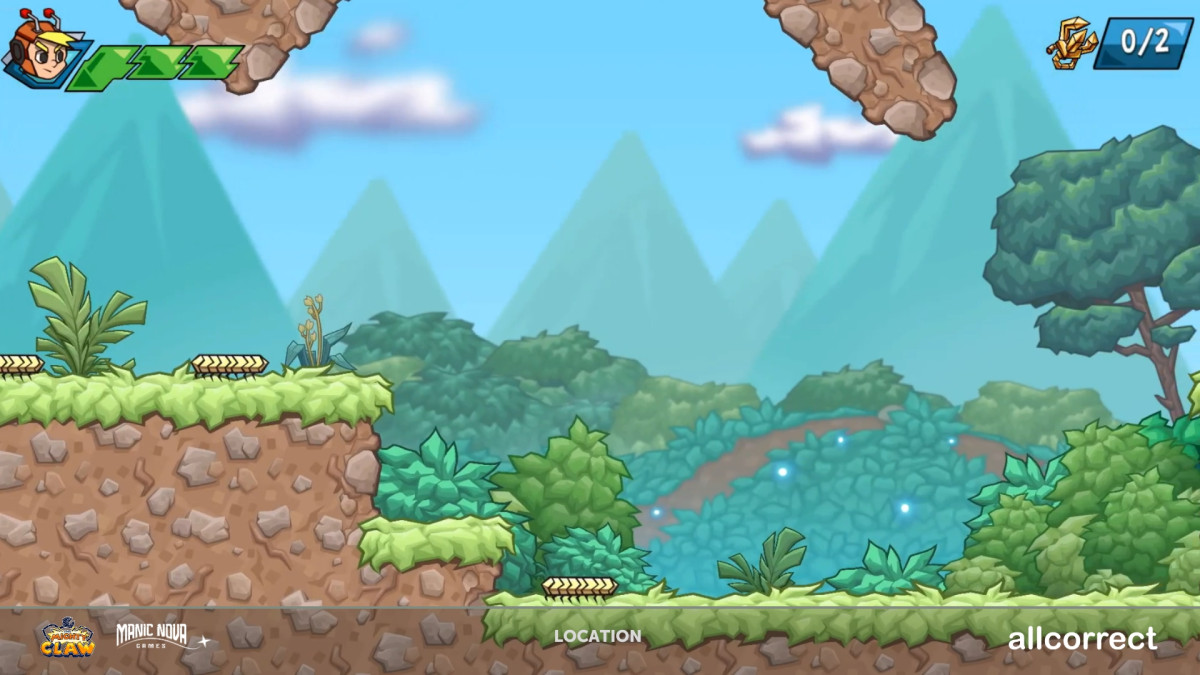
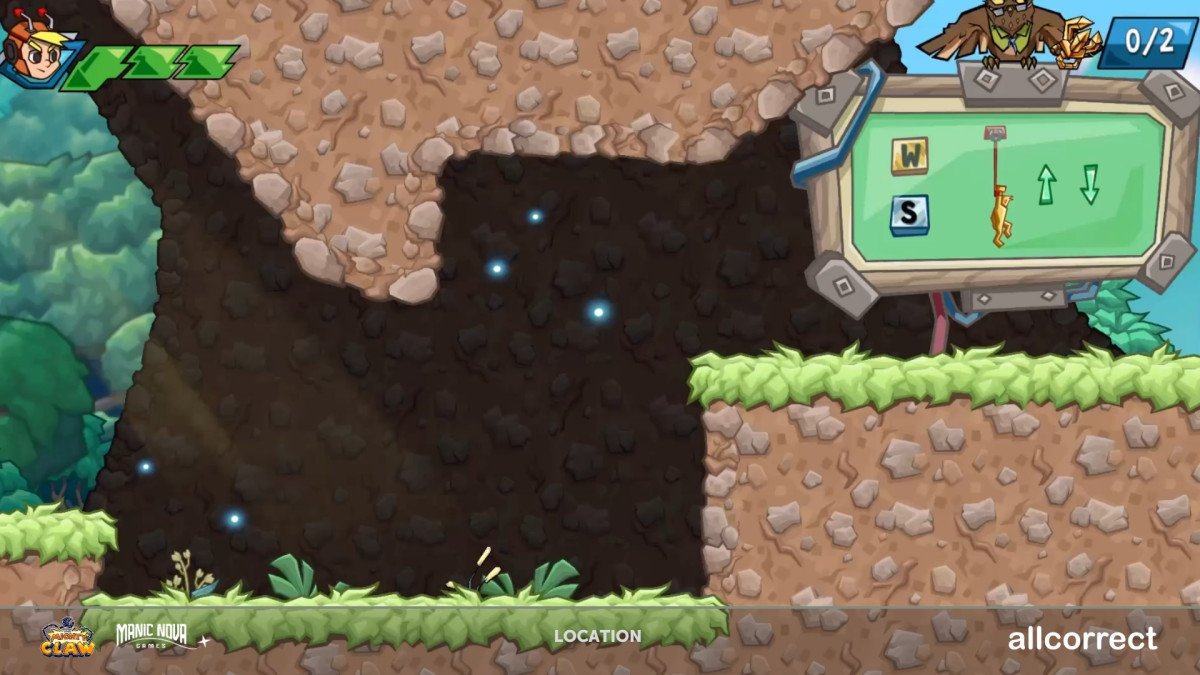
Our team supported The Mighty Claw with modular environment art production, creating forest biomes, sci-fi fortress locations, tilesets, hazards, vegetation, and gameplay-ready background assets for Unity integration. The main challenge was maintaining fast production speed and visual consistency while the game’s art direction continued evolving throughout development. To keep the pipeline stable, we integrated assets directly into Unity Sprite Shape workflows, organized rapid iteration and approval cycles, built modular environment systems optimized for seamless in-engine assembly, and supported the client with presentation-ready materials that helped secure €6,000 in additional funding for new level development.
As for the feedback: I’ve generally been pleased with both the quality of your work, as well as how you communicate. The same can’t be said about every person / studio I’ve worked with.
Your quality of work is evident, since my social media posts have received more upvotes / likes after I’ve replaced the graphics (or on posts that only showcase the graphics and no gameplay at all), and there have been less comments criticizing the graphics after I’ve started using your environments. I think you have delivered the kind of quality that I’m looking for this project, and I don’t think I could find any better art studio who could deliver better quality with the budget we’re working with. I think the only challenges we’ve had haven’t been related to the art quality itself, but to how the art is used in the 2D game worlds, as you probably remember from our countless forest world saturation/value tests.
I also like how you take the time to understand the requirements of each art asset, and always ask for clarification in case you don’t understand some of my instructions. I specifically liked how you delivered the ground tiles to be used with SpriteShape, as those had very specific requirements. Despite the strict requirements, I could just drag and drop everything you submitted to me to Unity directly, and everything fitted in the SpriteShape just like it should. All requirements regarding tile sizes, looping, and specific SpriteShape requirements had been taken into account. The previous art studio had serious trouble delivering fitting sprites, as they just didn’t seem to be capable of figuring out what the SpriteShape textures require.
This kind of seamless integration of art assets into the game is exactly what I’m looking for, as it saves so much time and frustration when we don’t have to do multiple iterations just because the requirements weren’t understood properly.— Tommi Uusi-Illikainen, Manic Nova Games Team