Unusual hobbies among leaders often become a source of inspiration for the whole team. Our Chief Financial Officer, for example, has been passionate about swing dancing for many years. This hobby turned out to be not only a way to restore energy, but also an important element of his personal effectiveness. His experience is a great example of how interests outside the office can elevate the quality of work.
I got into dancing when I was still in school. As a teenager, I constantly compared myself to others, and the competitive culture of ballroom sports suited me well. After starting, I believed for a long time that other dance styles simply weren’t bright enough.
In university, I began attending Argentine tango classes with friends, and to my surprise, I discovered that competition wasn’t the most important part of dancing. Later, I tried swing dancing at the same school and was captivated by the jazz music of the 1920s–30s and the fun, easygoing atmosphere.
It was because of this atmosphere that I kept coming back during the first year. At the time, I didn’t yet appreciate the unusual aesthetics of swing—its broken lines and constant bouncing. But a year later, I began noticing the beauty in how dancers interpret the music, complement it with their movement, and eventually, I truly fell in love with jazz dance.
Today, I’ve been dancing swing for over 15 years. These dances have brought me immense joy, and over time, I even began teaching. Sharing this joy with others – joy that comes with a bit of quirky bouncing :) – is something I genuinely enjoy.
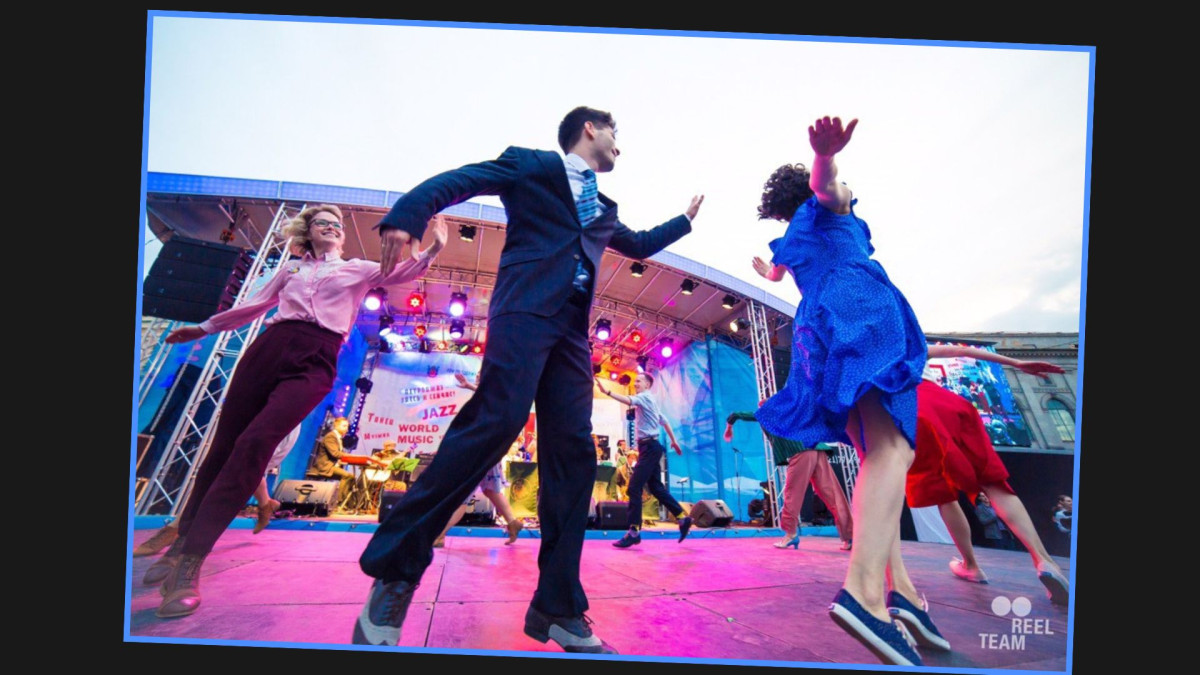
My hobby helps me reset after work, and that’s far from the only benefit it offers.
Work often takes center stage in our lives. Schedules create daily routines and a sense of stability. Achieving work goals gives us a sense of significance. But if we focus only on work tasks, productivity and satisfaction gradually decline.
This is where hobbies come in – activities we genuinely love that help us switch gears and recharge. Social dancing is one of those hobbies.
Changing Activity = Rest
When we engage in something completely unrelated to work, we naturally disconnect from work thoughts. Often, after a night of dancing, you return to your tasks with a fresh perspective.
This helps reveal optimal solutions that would otherwise stay in your blind spot.
If your job is sedentary, dancing also helps stretch your muscles and coordinate movement. And, as we know, the less your back hurts, the happier your workdays become.
Physical movement improves cognitive performance – especially when it contrasts with your work routine.
How Does Dancing Help Reduce Stress?
Stress is common across all professions. This is where dancing becomes a universal “remedy”:
- music helps you relax and disconnect,
- physical activity reduces tension in the body,
- social interaction gives a boost of positive emotions.
And all of this happens at the same time.
Few activities simultaneously engage your body, mind and social instincts – dancing is one of them.
What Benefits Do Social Dances Bring to Personal Effectiveness?
For many people, hobbies become a space for developing professional skills. Teaching dance helped me overcome stuttering and became a platform for practicing English. These skills translated directly into my work – during meetings and presentations.
Hobbies as a Source of Connections
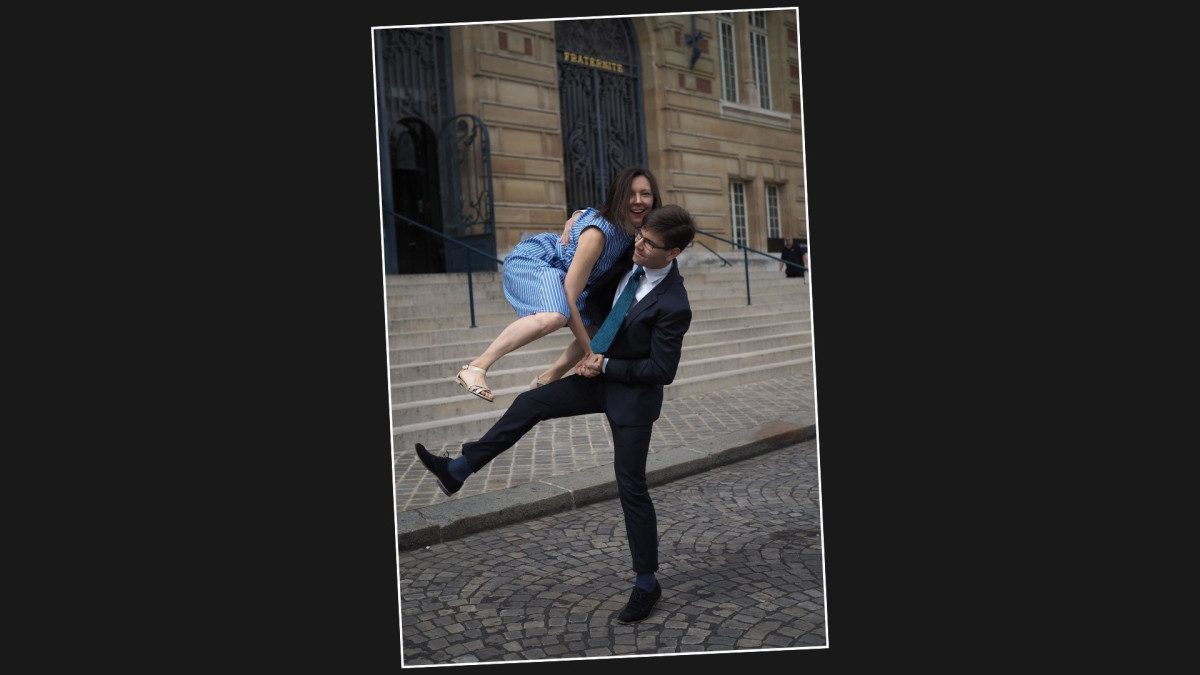
Social dances are always about people. Dance communities bring new acquaintances, friendships, and sometimes even professional networking.
I personally met close friends through dancing – friends with whom I now travel, spend time outside class, and share experiences.
Team-Building for Colleagues
If colleagues get excited about dancing together, it becomes not only a pleasant shared activity but also an effective tool for improving team dynamics.
Informal communication and learning something new together bring people closer far better than formal training. Joint physical activity lowers communication barriers – a perfect foundation for teamwork.
Traveling Through Dancing
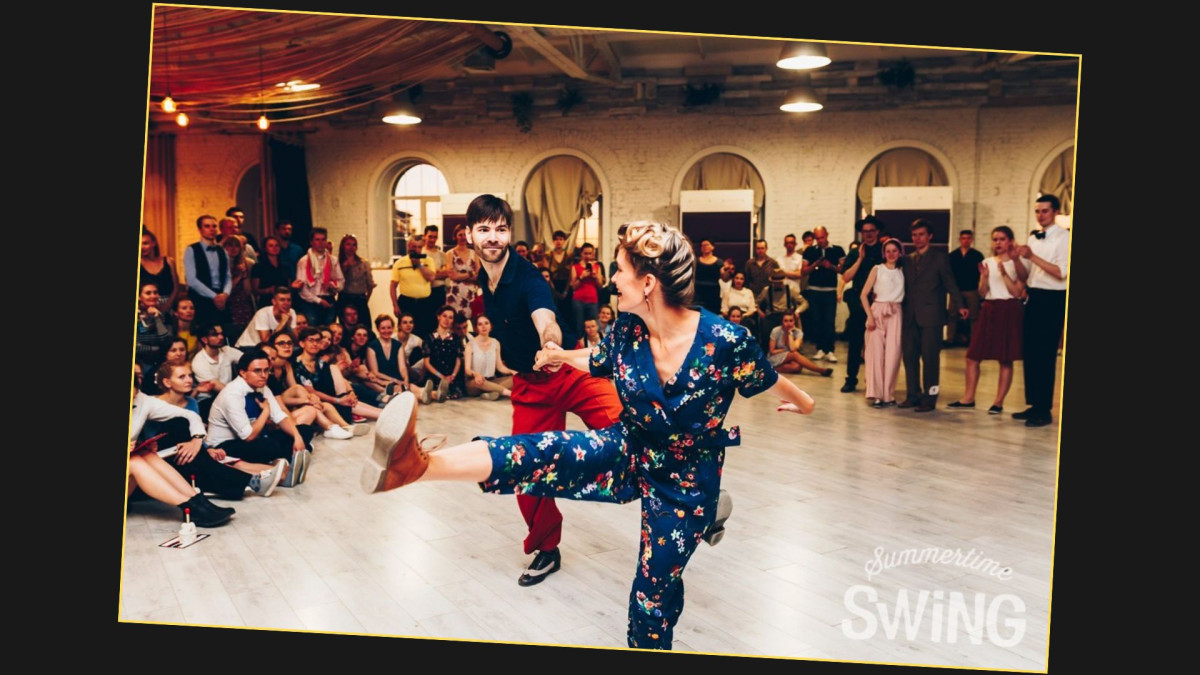
Another advantage of dance-related hobbies is the ability to make travel more interesting. In different countries and cities, there are communities that dance the same styles. When you attend a local dance event, you instantly feel part of an international circle of friends.
Conclusion
A hobby is not just “leisure.”
It helps you rest, manage stress, develop new skills, strengthen social connections, and ultimately improve work performance.
Social dancing is just one example – but it clearly shows how a beloved activity can be not only joyful but also a powerful resource for personal and professional growth.
FAQ
1. How do I choose a hobby if I have very little time and work a lot?
Choose something that brings you joy and doesn’t require complex preparation. Start small – even one class per week is enough. What matters is consistency, not intensity.
2. Is it true that a hobby can improve productivity at work?
Yes. Switching activities helps the brain reset, reduce stress, and recover focus. Regular hobbies often lead to higher energy levels and better-quality decisions at work.
3. What hobbies are best for dealing with work stress?
Anything you genuinely enjoy: dancing, sports, drawing, music, yoga, walking.
Dancing works especially well because it combines movement, music, and social interaction.
4. Can dancing help leaders in their work?
Absolutely. Dancing enhances leadership skills: the ability to lead, listen, and adapt. Teaching dance also improves presentation skills and public speaking.
5. How much time do I need to spend on a hobby to feel the benefit?
Even 1-2 sessions per week significantly reduce stress and help you recover. The effect becomes noticeable after 3-4 weeks of regular practice.